Category: Uncategorized

Top Interactive Tourist Attractions Key West

A sunset cruise is great. A beach day is great. But if your group is getting restless after the second round of strolling Duval, the real win is finding top interactive tourist attractions Key West visitors can actually do, not just look at.

That matters more than people think. On a trip with family, friends, coworkers, or a birthday crew, passive sightseeing only carries the day for so long. At some point, somebody wants action. Somebody wants air conditioning. Somebody wants a challenge. And usually, everybody wants a story they’ll still be talking about at dinner.

What makes the top interactive tourist attractions Key West-worthy?

Key West has no shortage of things to see, but interactive attractions have a different job. They pull people in. They get everyone participating. They turn a vacation hour into a shared memory instead of another photo stop.

The best ones usually have three things in common. First, they ask you to do something – solve, steer, search, taste, compete, create. Second, they work for groups with mixed energy levels and attention spans. Third, they feel connected to Key West itself rather than dropped in from anywhere USA.

That last part is important. A generic activity can be fun, sure. But an experience tied to island history, pirate legends, the water, Old Town streets, or the local offbeat personality just hits harder here.

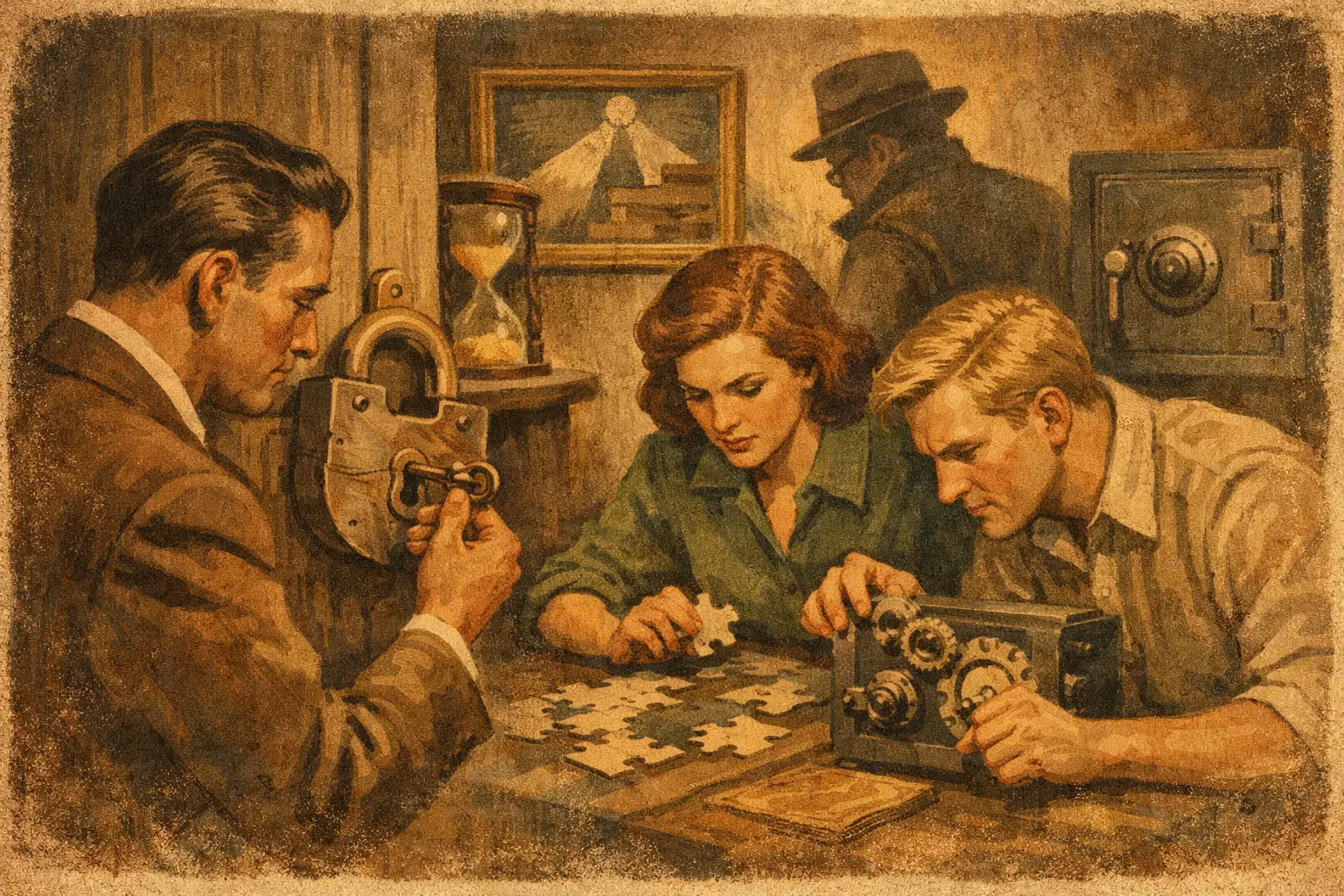
Escape rooms are one of the smartest picks for groups

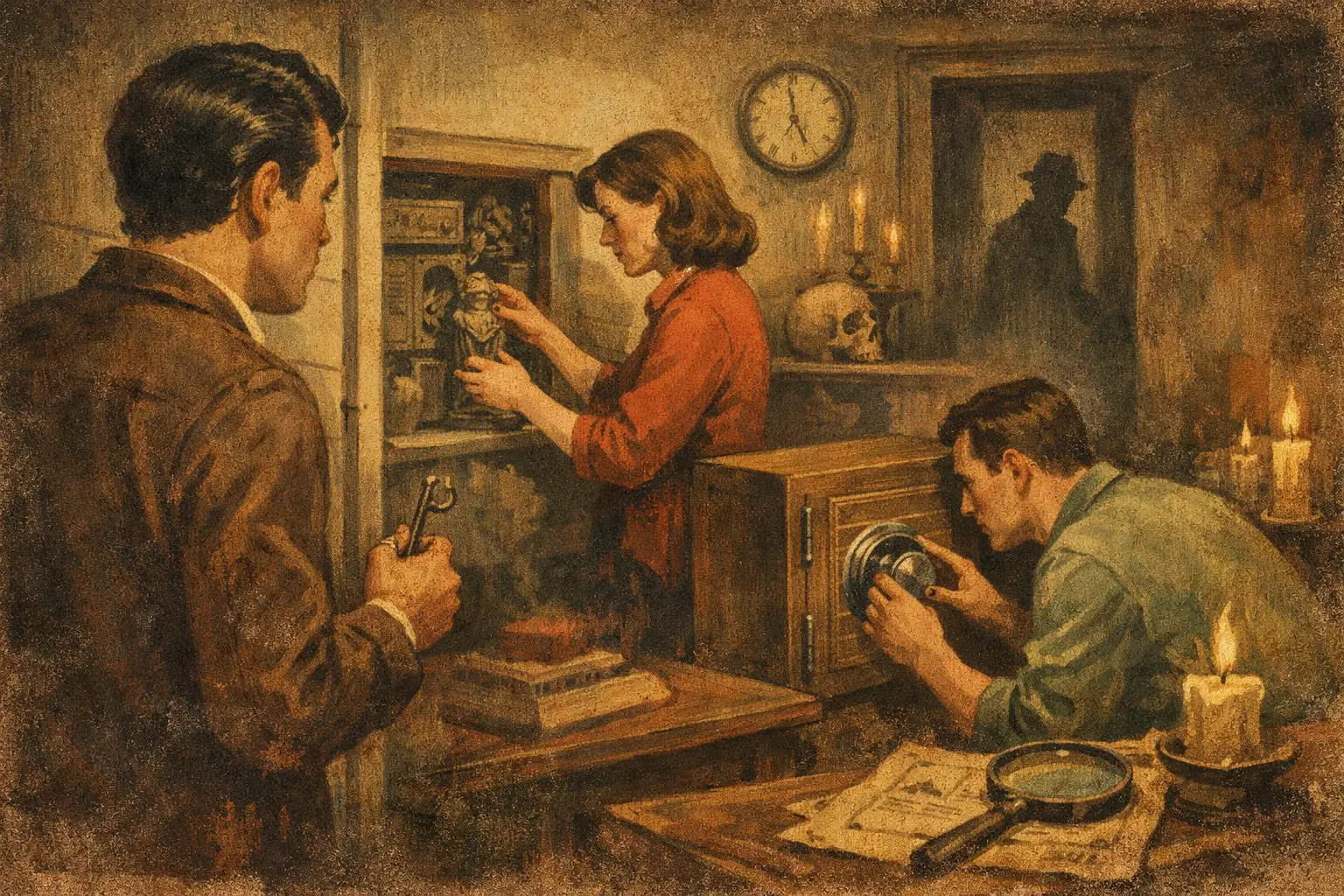
If your crew wants an activity with momentum, an escape room is hard to beat. Everyone gets a role fast. The puzzle lover starts spotting patterns. The loud friend starts opening drawers. The calm one somehow notices the clue everyone else missed. Then the clock starts working its magic, and suddenly even the skeptics are all in.

For tourists, the biggest advantage is simple – it gives your group a full shared experience in a set amount of time. You’re not wandering around asking, “What do you want to do next?” You already know. Get in, crack the code, and beat the room before time runs out!!

This also works especially well in Key West because weather and timing can change your plans fast. If the heat is intense, the rain rolls in, or your group wants a break from sun exposure, an indoor attraction with structure can save the day.

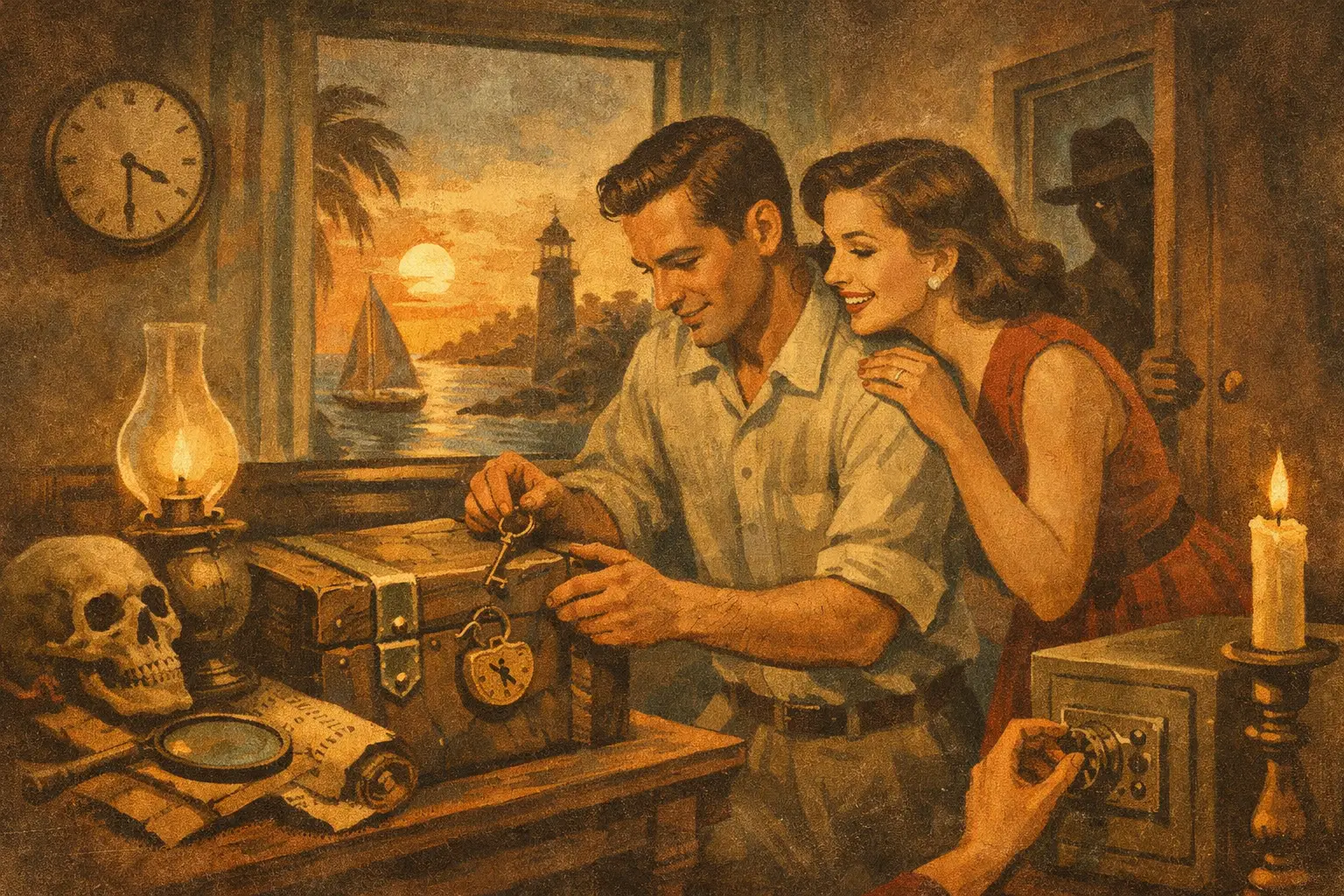
A locally themed room makes it even better. Pirate storylines, island-inspired mysteries, and destination-specific details feel right at home here. That’s part of why Key West Room Escape stands out for travelers who want more than a standard rainy-day backup plan. It feels like an activity made for the island, not just placed on it.

Outdoor puzzle adventures give sightseeing a mission

Some groups don’t want to be indoors the whole time. Fair enough. That’s where city-based puzzle experiences shine.

Instead of just walking Old Town and admiring the scenery, you turn the streets into part of the challenge. Landmarks become clues. Details you would normally pass by suddenly matter. Your group starts paying closer attention, moving with purpose, and talking to each other instead of drifting into separate vacation modes.

The trade-off is pace. Outdoor puzzle games can be fantastic for energetic groups who want to stay in motion, but they depend more on weather, footwear, and willingness to roam. If you’ve got young kids, grandparents, or a group already worn out from beach time, a more contained attraction might be easier.

Still, for travelers who want sightseeing plus gameplay, this is one of the most satisfying formats in town. It gives structure to your exploring without making the day feel overplanned.

Water-based adventures are interactive in the best Key West way

You’re in Key West. Getting on the water should at least be part of the conversation.

The difference between a standard boat ride and an interactive boat experience is huge. On a passive cruise, you relax and enjoy the view. On an interactive trip, your group has a mission. Maybe it’s solving clues on board, working through a challenge together, or navigating a themed experience that turns the water into part of the story.

That extra layer changes the energy completely. Instead of everybody facing outward in silence, people are engaged. They’re talking, laughing, guessing, competing, and getting a lot more out of the same stretch of time.

This type of attraction is especially strong for birthdays, bachelor and bachelorette groups, and families with older kids or teens. It feels more special than simply booking transportation with a view. The only real caution is seasickness and conditions – if someone in your group is sensitive to motion or the forecast is rough, land-based options may be the better call.

Museums and historical sites can still be interactive – if you choose carefully

Not every interactive attraction has to mean racing a clock. Some travelers want a slower pace while still doing more than reading plaques.

In Key West, that often means looking for museums, tours, and historical experiences that include demonstrations, storytelling, tastings, or guided participation. The right format can make local history feel lively instead of academic. You’re not just hearing facts. You’re engaging with a person, a place, or a process.

This works well for couples, mixed-age families, and visitors who want a break from high-energy activities without switching into full downtime mode. The catch is that “interactive” can be used loosely. A place may call itself hands-on when it really means there’s one photo op and a gift shop. It helps to look for experiences where participation is clearly part of the event.

Food and drink experiences can rescue a group with different interests

When one person wants culture, another wants fun, and another just wants a snack, interactive food and drink experiences can settle the debate fast.

Tastings, classes, and chef-led or maker-led experiences give groups something to focus on while still feeling relaxed. You’re learning a little, trying something local, and getting that built-in social part that makes vacation activities work.

These are especially good for adult groups and celebration weekends. They’re usually less competitive than escape-style attractions, so they fit people who want engagement without pressure. On the flip side, they may not satisfy travelers who are looking for a big challenge or a strong adrenaline hit.

How to choose the right attraction for your group

The top interactive tourist attractions Key West offers are not all trying to do the same thing. The best choice depends on who’s with you and what kind of energy your day needs.

If your group wants teamwork, laughs, and a clear objective, go for puzzles or escape experiences. If you want sightseeing with a built-in mission, choose an outdoor game. If the goal is a memorable celebration, an interactive boat adventure can feel like the big-ticket move. If your group is more low-key, a tasting, workshop, or guided historical experience may land better.

Timing matters too. Midday heat often makes indoor attractions more attractive than they sounded at breakfast. Evening plans matter as well. If you’ve got dinner reservations, pick something with a reliable start and finish time so nobody is checking their phone halfway through.

And yes, budget matters. Interactive attractions often cost more than casual sightseeing, but they usually deliver more actual engagement per hour. For a group, that can be worth it. You’re paying for participation, not just access.

A few signs an attraction is actually worth booking

Before you lock anything in, look for clues that the experience is built for real participation. Private or small-group formats are usually a plus because they keep your crew involved instead of turning the outing into a spectator event. Clear timeframes help too. So do descriptions that explain what you’ll actually be doing, not just how fun it supposedly feels.

It also helps to think about your group’s personality. Competitive people tend to love timed games. Curious travelers may prefer a guided experience with room to ask questions. Families often do best when the activity gives everyone a way to contribute, even if skill levels vary.

The right attraction should make your group feel included, not split between people who are participating and people who are waiting around.

Why interactive beats passive on a short Key West trip

A lot of Key West vacations are quick. Maybe it’s a long weekend. Maybe it’s one stop on a bigger Florida trip. That means every activity has to earn its place.

Interactive attractions do that well because they compress a lot into one block of time. You get entertainment, bonding, conversation, and usually a few surprise moments too. Instead of everyone remembering the day a little differently, you get one shared memory with a lot of personality attached to it.

That’s the sweet spot. Not just something to fill an hour, but something your group keeps replaying afterward. The best Key West plans have room for both kinds of fun – the laid-back island classic and the hands-on adventure that gets everybody saying, “Okay, that was awesome.”

11 Key West Rainy Day Activities

Rain in Key West changes the plan fast. One minute you are thinking beach, boats, and sunset photos. The next, you are standing under an awning, checking the forecast, and wondering which key west rainy day activities are actually worth your time. The good news is a stormy day here does not have to feel like a wasted day. If anything, it is your chance to swap the usual sightseeing routine for something more memorable, more local, and a lot more fun.

A good rainy day in Key West needs two things. It should keep your group entertained, and it should still feel like you are doing something vacation-worthy. That is the real difference between just killing time and making the weather work for you.

The best key west rainy day activities start with your group

Not every indoor option fits every kind of traveler. If you are traveling with kids, you need something active enough to burn energy. If you are with friends, a bachelor or bachelorette group, or extended family, it helps to pick an activity that gets everyone involved instead of sending half the group to stare at their phones. And if you are on a couples trip, you probably want something that feels more interesting than simply waiting out the rain over coffee.

That is why interactive experiences usually beat passive ones on a wet day. Museums and galleries can be great, especially in short bursts, but hands-on activities tend to win when the weather is gloomy and the whole group needs a reset.

Escape rooms are a rainy day favorite for a reason

When the sky opens up, an escape room makes immediate sense. You are indoors, the experience is timed, and everyone has a job to do. Instead of watching the forecast, you are cracking codes, solving clues, and racing the clock. Every second counts, which is exactly the kind of energy a rainy day needs.

This is especially true in Key West, where a lot of vacation activities depend on sunshine. An escape room does not. It gives your group a full experience with a beginning, middle, and finish, not just a place to stand around until the storm passes.

For families, it creates built-in teamwork. For friends, it turns a random weather delay into a challenge. For coworkers on a retreat, it is an easy team-building move without feeling stiff or corporate. And for couples, it is a lot more fun than arguing over which bar to wait in for two hours.

If you want a rainy day activity that still feels energetic, local, and memorable, this is a strong bet. Key West Room Escape fits that sweet spot nicely because it delivers private group adventures that feel playful and fast-moving rather than generic.

Museums work well when you want a slower pace

Sometimes the weather does not call for adrenaline. Sometimes you want to dry off, cool down, and shift into a slower kind of afternoon. That is where Key West museums come in.

The best museum day happens when you keep expectations realistic. A museum is perfect for travelers who enjoy history, architecture, art, or literary stops. It may be less ideal for little kids with lots of energy unless you pair it with lunch or another hands-on stop afterward.

Key West has enough character that even indoor history stops can feel distinctive. You are not just reading plaques. You are getting a better sense of the island’s oddball stories, maritime past, and creative streak. On a rainy day, that can feel like a smart trade – less outdoor wandering, more context for the place you came to see.

Art galleries and studios make rainy afternoons feel less wasted

One of the easiest ways to salvage a wet afternoon is to browse local art. Galleries are especially good if your group does not want one single long activity. You can pop in, take your time, and move on when you are ready.

This works well for couples and adult groups because it feels relaxed without being boring. You stay dry, see something local, and still get the sense that you are out in Key West rather than hiding from it. The trade-off is that gallery hopping is usually better for people who like to stroll and browse. If your group wants action and noise, this may not hold attention for long.

Still, for the right mood, it is a solid rainy day move. A few well-chosen indoor stops can turn a gray afternoon into one of the more unexpectedly charming parts of your trip.

Long lunches and lazy dinners absolutely count

There is no rule saying every vacation activity has to be high energy. Key West is a town where food and atmosphere carry a lot of weight, and rain gives you permission to slow down and enjoy both.

A long lunch can be the right call when your group is tired, sunburned, or simply over the idea of hustling from one tourist stop to another. Order something you would not usually make time for. Stay for dessert. Let the weather do what it is going to do.

The only catch is that food alone may not be enough if the rain lasts all day, especially for families or groups with restless personalities. In that case, lunch works best as part of a larger plan, not the whole plan.

Shopping is better when you treat it like exploring

Souvenir shopping gets dismissed too quickly. On a rainy day, it can actually be part of the fun if you approach it like a treasure hunt instead of an obligation.

Old Town shops, specialty stores, and quirky local spots can give you a good hour or two under cover. This is one of the easier options when your group is split on what to do, because people can browse at their own pace. It is also useful when you need something flexible between heavier rain bands.

That said, shopping is not always enough to anchor an entire day. It tends to work best as a supporting activity – great before dinner, after a museum, or between more structured plans.

Indoor bars, tastings, and grown-up hangouts

For adult travelers, rainy weather can be a great excuse to lean into Key West’s social side. A cozy bar, tasting room, or indoor happy hour can turn a disappointing forecast into a pretty good story.

This option works best if your group is in no rush and likes to settle in. It is less useful for mixed-age groups or anyone trying to keep the day productive. There is also a fine line between relaxing and losing momentum. If you start too early and stay too long, the day can disappear without feeling memorable.

The best approach is to use these spots as part of the rhythm of the day. Do something active first, then reward yourselves with drinks and snacks after. That way the weather does not feel like it won.

Rainy day planning in Key West is all about timing

Not every storm lasts all day. In fact, many Key West rain events are bursts rather than total washouts. That means your best move is often to think in blocks of time instead of making one giant all-day plan.

A smart rainy day might start with a late breakfast, move into an indoor attraction for an hour, then shift again when the skies clear. If the forecast looks messy from noon to three, book your indoor activity right in that window. Save anything outside for before or after.

This is why reservation-based activities can be so useful. They give your day structure. You are not standing around debating what to do while the rain keeps falling. You have a plan, a start time, and a reason to move.

What to avoid on a rainy day

The biggest mistake is picking an activity that sounds good in theory but is annoying in wet conditions. Long outdoor walks, loosely planned sightseeing, and anything that depends on perfect views can become frustrating quickly. Key West is compact, but getting soaked while trying to improvise is not nearly as charming as it sounds.

Another common mistake is underestimating group mood. If people are already disappointed about the weather, choose something that feels fun right away. This is not the time for a maybe. It is the time for an easy win.

That usually means selecting activities with clear entertainment value, minimal hassle, and enough energy to shift the vibe. The rain may have changed your original plan, but it does not need to lower the ceiling on your day.

Make the weather part of the adventure

The best key west rainy day activities do more than keep you dry. They give your group a story to tell later. Maybe it is the museum you almost skipped and ended up loving. Maybe it is the gallery where you found the perfect piece to take home. Or maybe it is the hour you spent racing a clock, shouting out clues, and trying to escape before time ran out!!

Rain has a way of forcing better decisions when you stop resisting it. Pick something lively, pick something local, and let the day turn in a new direction. Key West is still Key West, even under gray skies – and sometimes that surprise change of plan ends up being the part everyone remembers most.

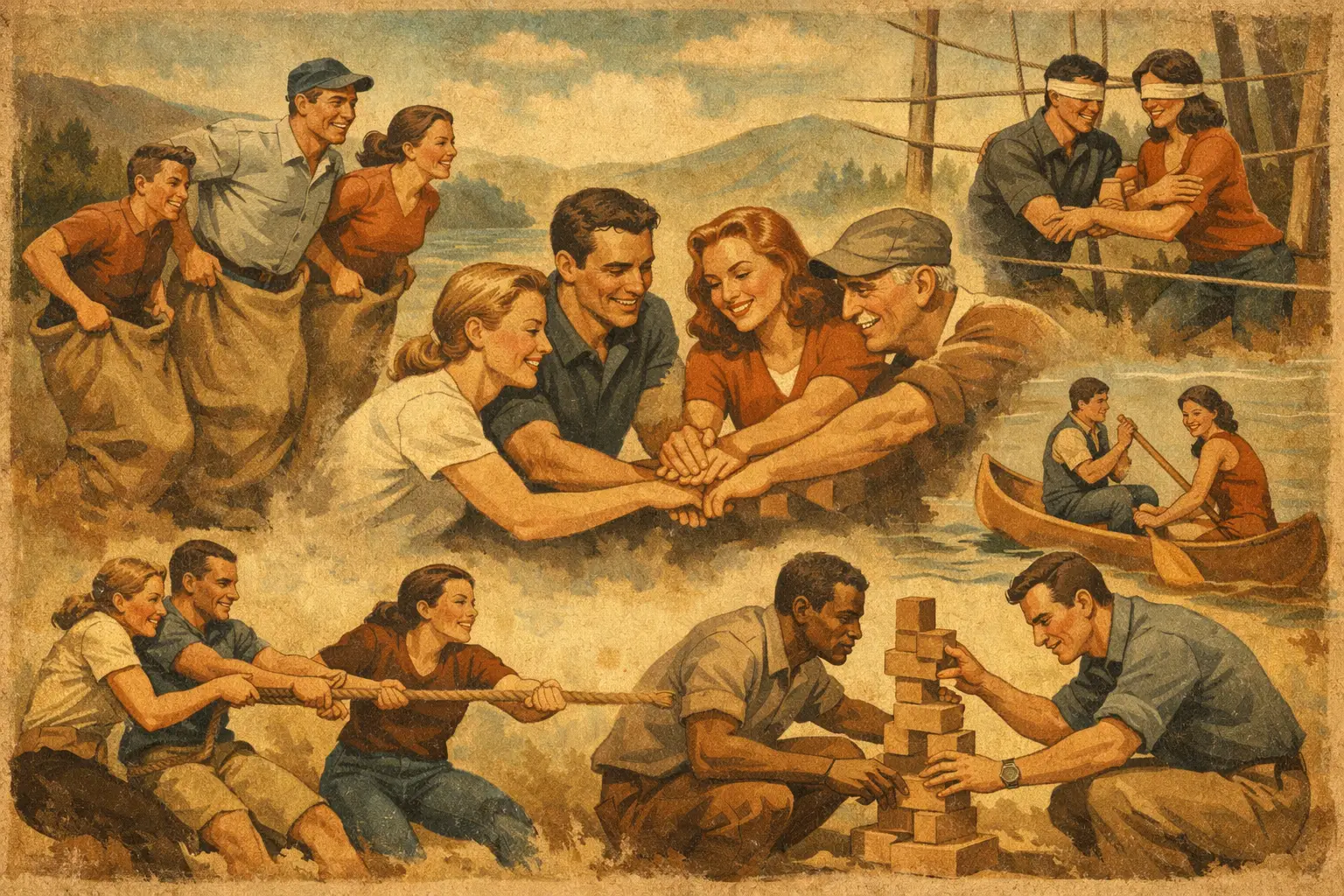
12 Team Bonding Activities for Small Groups

Small groups can be the hardest groups to plan for. With six people, there’s nowhere to hide, forced fun feels extra forced, and one boring activity can flatten the whole mood fast. The good news? The best team bonding activities for small groups do not need a giant budget, a conference room full of props, or an all-day agenda. They just need the right mix of challenge, conversation, and shared momentum.

If you are planning for coworkers, a friend group, a family outing, or a vacation crew in Key West, the goal is the same. You want people talking, laughing, solving, and actually doing something together. That is where small-group activities shine. They are more personal, more flexible, and usually a lot more fun when everyone has a real role to play.

What makes team bonding activities for small groups actually work?

Small-group bonding works best when the activity creates participation without putting anyone on the spot. That sounds simple, but it is where many plans go sideways. Trivia can get dominated by one know-it-all. A meal out can split into side conversations. An icebreaker circle can feel like a punishment nobody asked for.

The sweet spot is an activity with a clear objective, a little pressure, and enough variety for different personalities to contribute. Some people lead. Some notice details. Some keep the energy up when the clock starts ticking. In a smaller group, those differences become strengths fast.

It also helps when the activity gives people something to react to. A puzzle, a challenge, a route, a mystery, a timed mission – all of that creates natural conversation. People stop trying to make small talk and start working together. That is usually when the real bonding kicks in.

1. Escape rooms turn small groups into real teams

If you want one activity that checks almost every box, start here. Escape rooms are built for communication, fast thinking, and shared wins. In a small group, everyone matters. One person spots a clue, another cracks a pattern, someone else keeps the team organized, and suddenly the whole room feels locked in.

That is why escape rooms work so well for birthdays, work outings, family vacations, and friend groups. They create instant buy-in. There is a mission. There is a clock. Every second counts!!

They also avoid a common team-building problem: dead space. Nobody is standing around pretending to have fun. Everyone has something to do, and the experience feels more like an adventure than an assignment. For groups that want energy without awkwardness, this is hard to beat.

2. Scavenger hunts add movement and friendly chaos

A scavenger hunt is great when your group wants to get out and explore instead of staying in one room. This works especially well in a walkable destination where landmarks, local details, and quick challenges can be built into the route.

For small groups, scavenger hunts feel less chaotic than they do with a crowd. You can keep the pace moving, make decisions quickly, and let everyone contribute ideas. Add photo challenges, mini riddles, or location-based clues, and the experience shifts from simple wandering to full-on group mission.

The trade-off is that scavenger hunts need stronger planning than people expect. If the route is too easy, it feels flat. If it is too complicated, the fun gets replaced by confusion. The best version lands in the middle – enough challenge to spark teamwork, not so much that people give up halfway through.

3. Cooking challenges get people working side by side

Food brings people together, but cooking together creates more interaction than just sitting down to eat. Split a small group into pairs, assign a dish or mystery ingredient, and let the challenge begin.

This works because everyone understands the mission right away. Make something good. Make it on time. Try not to burn it. That alone creates laughs, problem-solving, and a surprising amount of teamwork.

It is also a smart pick for mixed-age groups or teams with different comfort levels. Not everyone wants to sprint through a physical activity or solve a hard puzzle, but most people can stir, chop, taste, plate, or judge. The only caution is logistics. You need enough space, enough supplies, and a setup that does not leave one or two people doing all the work.

4. Mini game tournaments keep the energy high

Sometimes the best bonding activity is simple competition with low stakes. Think cornhole, giant Jenga, card games, trivia rounds, relay-style challenges, or quick puzzle races. A mini tournament gives the group structure without making the event feel overplanned.

This format is especially useful when the group includes different energy levels. People can jump in, take turns, and cheer each other on without feeling trapped in one long activity. It also creates easy momentum. One round leads to the next, and before long the group is fully engaged.

Keep the scoring light and the tone playful. If the competition gets too serious, bonding can take a hit. You want bragging rights, not a rematch that lasts until next summer.

5. Volunteer projects build connection through purpose

Not every team bonding activity has to be loud. If your group connects best through shared purpose, a volunteer project can be a strong fit. Beach cleanups, donation sorting, meal packing, or community support events all give people a clear reason to work together.

For small groups, this can feel especially meaningful because each person’s effort is visible. You are not getting lost in a crowd. You are contributing together in a direct way.

The key is choosing a project that fits the group’s energy and timing. If people are on vacation or planning a casual social outing, a service activity may feel too heavy for the moment. But for workplace teams or local groups looking for more than entertainment, it can create a stronger kind of shared memory.

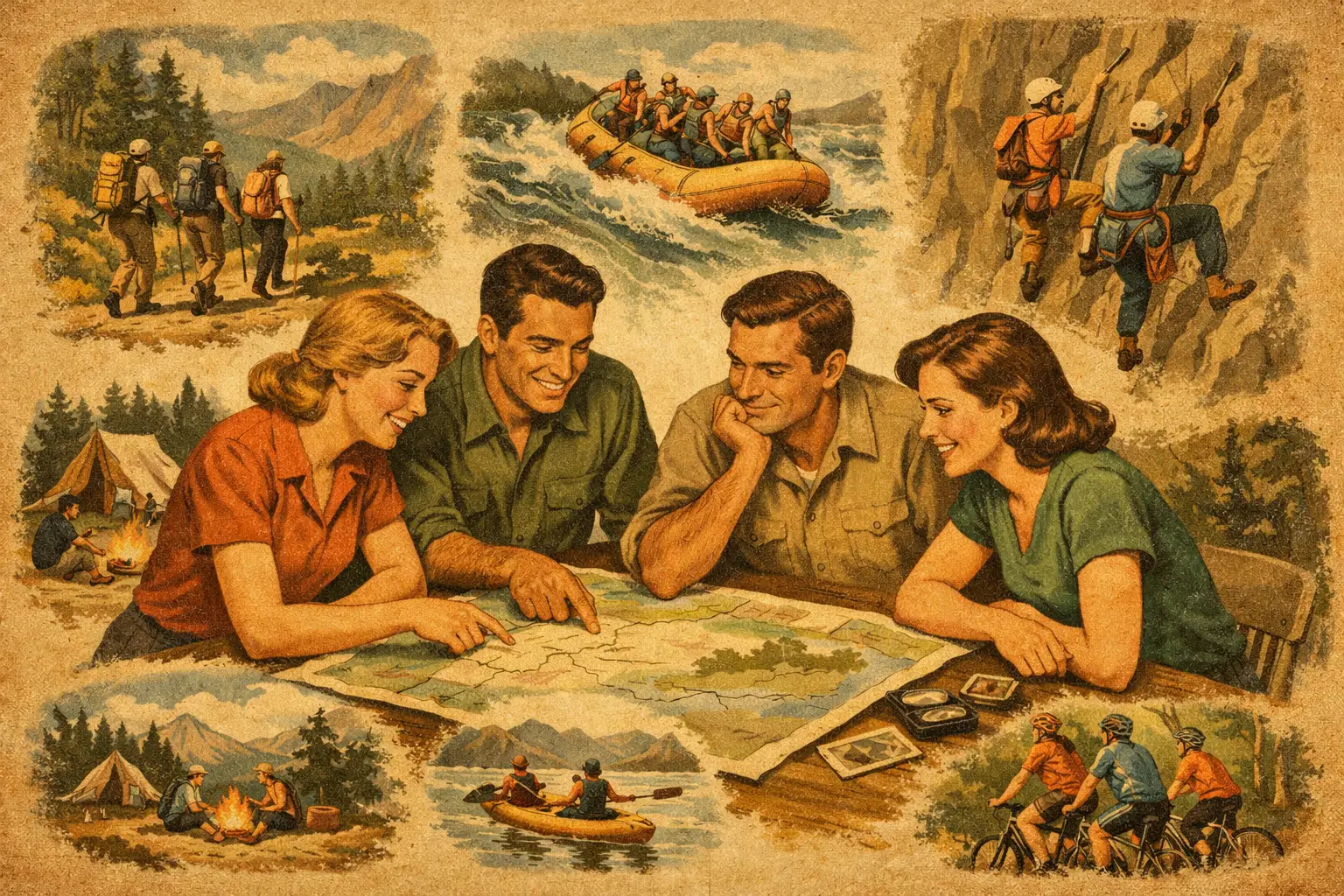
6. Outdoor adventure activities create instant camaraderie

Kayaking, paddleboarding, boating, biking, or a guided water adventure can turn a regular outing into something people talk about long after it ends. Shared motion changes the group dynamic fast. People help each other, react in real time, and create those little moments that become inside jokes later.

For small groups, outdoor activities are easier to coordinate and usually feel more connected. You can stay together, adapt the pace, and keep the experience social instead of scattered.

This option depends a lot on weather, fitness level, and comfort zone. Some groups want action. Others just want something easy and scenic. Neither choice is wrong. The best activity is the one your group will actually enjoy, not the one that looks the boldest on paper.

7. Team bonding activities for small groups work best with a shared challenge

There is a reason challenge-based activities keep showing up on this list. A shared challenge gives people a reason to communicate. It pulls attention away from phones, breaks up familiar social patterns, and gets everyone focused on one thing.

That challenge does not have to be intense. It can be a mystery to solve, a recipe to complete, a route to finish, or a score to beat. What matters is that the group has a common objective and enough room for different kinds of contributions.

This is exactly why immersive puzzle experiences work so well. A private escape game, for example, turns a small group into the whole cast. Nobody gets benched. Everyone is in the story, and every clue matters. For groups visiting the island, Key West Room Escape fits that sweet spot between organized fun and real teamwork.

8. Creative workshops give quieter personalities room to shine

Not every group bonds through speed and competition. Some connect better when the pace is slower and the activity leaves room to create something together. Painting sessions, craft workshops, cocktail classes, or collaborative art projects can be surprisingly effective.

This format works because it gives people something to do with their hands while conversation builds naturally. It is less pressure than a spotlight-style game and more interactive than simply hanging out.

The trade-off is that creative workshops need the right audience. If your group wants adrenaline and noise, this may feel too mellow. But for teams that prefer relaxed interaction over high-intensity play, it can be the perfect call.

9. Story-based activities make the experience more memorable

Themed activities tend to stick because they feel bigger than the task itself. It is one thing to solve a puzzle. It is another to crack pirate clues, chase hidden treasure, or race through a mystery with the clock running down.

Story gives people a role to step into, and that changes the energy. Suddenly the group is not just passing time. They are on a mission.

That sense of immersion is especially useful for small groups because it pulls everyone into the same moment. When the setting is fun and the challenge is clear, people stop overthinking and start participating. That is where the best memories usually happen.

10. The best plan matches the group, not just the trend

One mistake planners make is choosing the activity they would enjoy, not the one the group will enjoy. A highly competitive game may thrill one team and completely drain another. A laid-back dinner cruise may sound perfect until you realize the group wanted something interactive.

Start with a few practical questions. Does your group want to talk, move, compete, solve, or explore? Are they close already, or do they need help warming up? Do you have one hour, half a day, or a full evening to work with?

Once you know that, the right activity gets easier to spot. Small groups do best when the plan feels intentional, not random. People can tell the difference.

The strongest bonding moments usually come from shared effort, a little unpredictability, and a chance to laugh together when things get messy. Pick an activity that gets everyone involved, and the group will do the rest.

12 Best Things to Do in Old Town Key West

You can hear Old Town Key West before you fully see it. A scooter zips by, someone laughs from a patio, live music spills into the street, and suddenly your “quick walk” turns into three hours. That’s the magic of this part of the island. If you’re looking for things to do in old town key west, the real trick is not finding enough to do – it’s choosing what fits your crew, your energy level, and how much sun you’re ready to handle.

Old Town is where Key West feels most like Key West. You’ve got pastel houses, leafy lanes, famous bars, small museums, roaming chickens, and just enough chaos to keep the day interesting. Some people want history and quiet porches. Some want frozen drinks and a packed sunset scene. Most want a little of both. That’s the sweet spot.

1. Wander Duval Street, but don’t treat it like a checklist

Yes, Duval Street is the headline act. And yes, it’s worth your time. But the best way to do it is with some room to improvise. Pop into shops, grab a drink when the mood hits, listen to a band for two songs instead of ten, and let the side streets pull you off course.

During the day, Duval feels casual and curious. At night, it turns louder and more theatrical. Neither version is wrong. It just depends whether your group wants café stops and people-watching or a full-on party stretch with music bouncing out every doorway.

2. Visit the Hemingway Home for the full Old Town mood

If your group likes stories, architecture, or cats with extra toes, this stop delivers. The Hemingway Home isn’t just a famous house. It gives you a feel for the slower, shadier, tropical side of Old Town that can get lost if you only stick to the busiest streets.

It’s one of those attractions that works even if you’re not a huge literary person. The grounds are beautiful, the history is easy to get into, and it breaks up the day nicely if you’ve been doing mostly eating and drinking. That said, if your crew gets restless on tours, go earlier before everyone’s patience starts to melt in the heat.

3. Make time for Mallory Square at sunset

This is classic Key West for a reason. Street performers, waterfront views, boats in the harbor, and a crowd gathering like everybody got the same memo – show up and watch the sky do its thing.

If you hate crowds, you may find it a bit packed. If you love energy, it’s a blast. Either way, sunset around Old Town is part event, part ritual. Arrive early if you want space to breathe, especially in busy travel seasons.

4. Eat like you’re on vacation, because you are

One of the best things to do in old town key west is simply following your appetite. This area is packed with places for conch fritters, Cuban coffee, fresh seafood, key lime pie, and frozen drinks that go down a little too easily.

The smart move is pacing yourself. Old Town rewards grazers more than over-planners. A coffee here, a snack there, a proper lunch when you finally agree on one place. If you’re with a group, this approach saves time and arguments. Nobody wants a vacation debate over where to sit for 90 minutes.

5. Get off the main drag and walk the side streets

Some of Old Town’s best moments are found one block away from where everyone else is standing. The quieter residential streets are lined with gingerbread trim, hidden gardens, and porches that look like they were built for late-afternoon drinks.

This is where you get the slower version of Key West. It’s less about attractions and more about atmosphere. If your day has started to feel overbooked, a simple walk through the neighborhood can reset the whole mood.

6. Add a group challenge to the mix

Not every Old Town activity needs to involve standing in line, sitting at a bar, or walking until your sandals give up. If you’re traveling with friends, family, a birthday crew, or coworkers, a group game can be the move that turns a good day into the part everyone talks about later.

That’s especially true if your group wants something interactive instead of passive. A locally themed escape game or puzzle adventure fits Old Town well because it gives you the fun of discovery with a little pressure and a lot of laughs. Key West Room Escape is a strong fit for groups who want to crack codes, work together, and do something more memorable than just another round of drinks. Every second counts!!

7. Tour the historic homes that give Old Town its character

Beyond Hemingway, Old Town has a few historic properties and museums that help explain why this little island feels so different from mainland Florida. You’ll see Bahamian and Cuban influences, maritime history, and the kind of architecture that makes even non-history people stop for photos.

This is a good lane for couples, families with older kids, and travelers who want more than the party version of Key West. The trade-off is simple: these stops are richer if you’re in the mood to slow down and pay attention. If your crew is restless, keep it to one standout house rather than trying to turn the day into a museum marathon.

8. Stop by the Southernmost area, but choose your timing

People love the iconic buoy photo, and fair enough – it’s one of those classic vacation proof shots. But there’s often a line, and midday sun can make a quick photo stop feel like a test of character.

Go early if you want a smoother experience. If the line looks wild and your group is already fading, it may be smarter to skip it and keep moving. Old Town has plenty of charm that doesn’t require waiting your turn for a landmark photo.

9. Mix in the water whenever possible

Old Town is not just streets and buildings. The water is always part of the experience, whether you’re watching boats from shore, heading out on a sail, or booking something more active. Even a short harbor-side stroll changes the pace of the day.

For groups who want a bigger adventure, this is where Key West can really show off. Boat experiences, sandbar time, and water-based outings give you a break from the walking-heavy side of Old Town. If your crew starts getting cranky on land, that’s your sign.

10. Browse the small shops and local galleries

Old Town shopping works best when you’re not hunting for one exact thing. The fun is in the mix – quirky souvenirs, island art, handmade items, funny T-shirts, and the occasional thing you absolutely do not need but will buy anyway because you’re in Key West and judgment is on vacation too.

Gallery hopping is especially good in the hotter part of the afternoon. You get some air conditioning, a slower pace, and a different side of the neighborhood. It also helps balance out a day that’s been heavy on food and sun.

How to plan things to do in Old Town Key West without burning out

Old Town looks compact on a map, but the heat, crowds, and constant temptation to stop every ten feet can wear people down faster than expected. The best plan is usually one anchor activity in the morning, a loose lunch window, one or two flexible stops in the afternoon, and sunset as your natural finish line.

If you’re traveling with a group, build around attention spans. Families may want snacks and shade on repeat. Friend groups often do better with one active experience and one social one. Couples can keep it more spontaneous. The mistake is trying to cram every famous stop into one day and ending up too rushed to enjoy any of it.

What kind of Old Town day fits your crew?

If your group wants classic sightseeing, stick with Duval, a historic home, local food, and sunset. If you want more action, add a puzzle experience, a boat outing, or a faster-moving itinerary with fewer sit-down stops. If your vacation style leans casual, do less on purpose. Old Town is one of those places where wandering counts as a real activity.

That’s what makes it easy to love. You can fill the day with landmarks, cocktails, architecture, shopping, waterfront views, and a little chaos, or you can let the island set the pace for you. Either way, the best things here are the ones that get your group talking, laughing, and saying yes to one more stop before heading back. Old Town is very good at that.

Escape Room Key West: What to Expect

Sun, sand, and frozen drinks are easy to find in Key West. The trick is finding an activity your whole group will actually want to do together after the beach, before dinner, or when the weather has other plans. That is exactly where an escape room Key West experience earns its spot on the itinerary. It gives your crew something better than just “hanging out” – a real mission, a ticking clock, and a reason to laugh, argue, celebrate, and high-five your way through 60 minutes of fun.

If you have never done an escape room before, the idea can sound intense. Locked room? Puzzles? Time pressure? Fair questions. But the best escape adventures are built for regular people, not just puzzle pros. You do not need to be a trivia champion or a code-breaking genius. You just need a group that is ready to communicate, pay attention, and enjoy the ride.

Why an escape room Key West outing works so well

Key West is packed with personality. That matters, because a good escape room should feel like more than random locks and clues. It should feel like an adventure worth talking about later. In a destination like this, the best experiences lean into the island vibe – pirate legends, Old Town energy, local history, and that playful sense that anything can happen once you step off Duval.

That local flavor makes a big difference. A generic game could be anywhere. A Key West-themed mission feels tied to the place you came to enjoy. For visitors, that means one more memory attached to the island instead of another activity that blurs into the rest of the trip. For locals, it means seeing your town from a different angle.

There is also the practical side. Escape rooms are ideal for mixed groups because they give everyone a role. Maybe one person spots hidden details fast. Someone else notices patterns. Another keeps the team organized when the countdown starts to get loud in your head. You do not have to be the smartest person in the room. You just have to contribute.

What the experience actually feels like

First, forget the movie version. This is not about panic or being trapped in some dark, miserable space. A well-run escape game is designed to be exciting, safe, and fun from start to finish. You arrive, get a quick briefing, meet the rules, and step into a themed mission with a clear objective. Then the countdown begins, and every second counts!!

From there, it turns into a group challenge in the best possible way. People start opening drawers, inspecting props, reading clues out loud, and trying to connect details that seemed unrelated 30 seconds earlier. For the first few minutes, most groups feel a little chaotic. That is normal. Then the teamwork starts to click.

The room itself matters a lot. The strongest games do not just throw puzzles at you. They create momentum. One clue leads to another. A discovery changes the whole room. A simple object turns out to matter more than anyone guessed. When a game is built well, your group stays engaged because progress feels earned.

Not every room plays the same, and that is part of the fun. Some lean heavier on searching and observation. Others reward logic, sequencing, or communication. Some are beginner-friendly and great for families. Others are better for adults who want a challenge. That is why choosing the right room matters almost as much as choosing the right people.

Who should book an escape room in Key West?

Short answer: almost any group that wants to do something active together.

Families like escape rooms because they create a shared win. Instead of everyone splitting off into separate activities, the whole group gets one mission. Kids, teens, parents, and grandparents can all take part if the room fits the age range and difficulty level. The key is picking a game that is fun for the youngest players without making adults feel like they are just supervising.

Friend groups love them because the format creates instant energy. It is social, funny, a little competitive, and way more memorable than sitting around deciding where to go next. If your vacation group includes both planners and free spirits, this kind of activity gives everyone something concrete to rally around.

Birthday groups, bachelor and bachelorette outings, and reunion crews also get a lot out of it. There is built-in excitement, a clear start and finish, and plenty to talk about afterward. You can celebrate a win or joke about the clue everyone missed while heading to your next stop.

Corporate teams and school groups are a natural fit too. Escape rooms reveal how people communicate under pressure without making it feel like work. Some groups come in thinking one loud leader will carry the team. Usually, the win comes from listening, dividing tasks, and staying calm when a theory turns out to be wrong.

How to choose the right escape room Key West experience

Start with your group size. A couple on a date night has different needs than a ten-person birthday crew. Smaller groups often enjoy rooms where each player gets plenty to do. Larger groups need games that allow multiple people to work at once without standing around.

Next, think about experience level. If half your team has never done an escape room, going straight for the hardest challenge can backfire. A room that is tough but approachable usually creates the best experience. You want enough resistance to feel the stakes, but not so much that the game turns into frustration.

Theme matters more than people expect. The room should sound fun before you even step inside. Pirates, island mystery, city-wide puzzle chasing, and story-driven adventures all create different moods. If the theme excites your group, they will buy in faster. And when a group buys in, they play better.

Then there is the private vs. shared question. Private games are often the better choice for families, parties, and friend groups because the mission stays with your people. You can be loud, weird, competitive, and fully yourself. That tends to make the experience more comfortable and a lot more fun.

Beyond the room: why variety matters

One of the best things about booking with a destination-focused adventure business is that the fun does not have to stop at one format. Traditional indoor escape rooms are a great anchor activity, but some groups want to take the challenge outside or onto the water.

That is where the Key West setting really shines. An outdoor city puzzle experience can turn Old Town into part of the game, which is perfect for visitors who want sightseeing with a mission attached. A boat-based escape adventure raises the stakes in a completely different way. Same teamwork. Same puzzle-solving. Totally different story.

For groups planning a celebration or team event, that range gives you options. Some people want air conditioning and a classic 60-minute challenge. Others want something that feels even more tied to the island itself. It depends on your crew, your schedule, and the kind of memory you are trying to create.

A few practical things to know before you go

Arrive on time. That sounds basic, but escape games run on a schedule, and late arrivals eat into your own experience. Give yourself a little extra time to park, check in, and get settled before the mission starts.

Wear something comfortable. You probably will not be running laps, but you will be moving around, bending, searching, and pointing wildly at clues while insisting you are absolutely right. Vacation casual works just fine.

If you are bringing kids or teens, check age guidance ahead of time. Some games are ideal for younger players with adult help, while others are better suited for older groups. Matching the room to the players makes everything smoother.

And if someone in your group says, “I’m not good at puzzles,” bring them anyway. Escape rooms are rarely won by one genius solving everything alone. The person who spots a tiny detail, keeps track of used clues, or asks the oddball question often saves the day.

The best part is what happens between the clues

Yes, the objective is to escape. Yes, the puzzles matter. But the real reason people book these experiences on vacation is what happens in the middle of the mission. That moment when everyone starts working together. The laugh after a completely wrong theory. The surprise when the quietest person in the room cracks the code. The last-minute push when your group can feel the finish line.

That is what makes an escape room more than just an activity to fill an hour. It gives your group a story. And in a place as colorful as Key West, that is saying something.

If you are looking for a break from the usual plans, Key West Room Escape offers the kind of challenge that gets people talking before the game starts and long after the clock stops. Pick the adventure that fits your crew, bring your best teamwork, and get ready to crack the code. Your beach photos will still be there later.

Escape Room First Timer Guide: What to Know

You booked an escape room, the clock is waiting, and now the questions start. What if you miss something obvious? What if you are terrible at puzzles? This escape room first timer guide is here to calm the pre-game nerves and help you walk in ready to play, not panic.

The good news is first-timers usually do better than they expect. Escape rooms are not IQ tests, and they are definitely not designed for one genius to carry the whole group. They are built for communication, curiosity, and momentum. If your team stays engaged and keeps talking, you are already playing the right way.

Escape room first timer guide basics

An escape room is a live, timed group game where you solve clues, open locks, uncover hidden information, and complete a mission before time runs out. Sometimes you are breaking out of a cell. Sometimes you are finding pirate treasure. Sometimes you are stopping a disaster with only minutes to spare. The theme changes, but the heart of the experience stays the same – search carefully, connect clues, and work together fast.

For a first visit, the biggest surprise is usually how hands-on it feels. You are not sitting around thinking quietly. You are moving, opening drawers, checking walls, reading notes, spotting patterns, and calling things out to your team. Every second counts, and that is what makes it fun.

It also helps to know what an escape room is not. It is not haunted house acting, even when the setting feels dramatic. It is not pure guesswork. And it is not about tearing the room apart like a movie scene. Good puzzle solving is more about observation than chaos.

What first-timers should expect before the game

Most escape room experiences begin before you ever enter the room itself. You check in, hear the rules, get your mission, and learn what not to touch. Pay attention here. The intro is not filler. It tells you how the room works, what kind of help is available, and how to stay safe while you play.

You should plan to arrive a little early. Rushing in late puts your team behind before the game even begins, and nobody wants to start an adventure already stressed out. Comfortable clothes are usually the right call, especially if you are coming from a day of sightseeing, dinner, or exploring Old Town.

If you are playing with family or friends, set expectations before the door closes. Some people love taking charge. Some like quietly piecing things together. Some will find clues that do not make sense until 20 minutes later. A good team makes room for all of that. The best first-time groups are not the loudest or smartest. They are the groups that share information clearly and keep the energy up.

How to actually do well in your first escape room

The smartest move for beginners is simple – say everything out loud. Found a key? Announce it. Saw a number written under a prop? Say it. Opened a box with a strange symbol inside? Tell the room. So much time gets lost when someone discovers an important clue and keeps it in their own head.

Search the room in a methodical way at the start. Do not have everyone pile onto the same shelf while half the room goes untouched. Spread out, scan carefully, and create a shared clue pile or clue area if the room allows it. Once items are found, bring them together so your team can start matching patterns and connections.

Another tip from any solid escape room first timer guide: use the room, do not fight the room. If a drawer does not open, it probably needs a code or key. If something feels bolted down, it is probably supposed to stay there. Escape rooms are designed with intention. Forcing things usually wastes time and can make your team miss the real solution sitting right in front of you.

When you solve one puzzle, reset your focus fast. Many teams spend too long celebrating a win or staring at the thing they just opened. Enjoy the moment, then move. New information often leads to the next step immediately.

Teamwork matters more than puzzle skill

This is where first-timers often overthink things. They assume escape rooms belong to puzzle pros, board game fanatics, or that one friend who always wins trivia night. Not true. A team full of brilliant individual thinkers can still struggle if nobody communicates. Meanwhile, a group of total beginners can crush a room if they stay organized and collaborative.

Good teamwork in an escape room looks like this: one person reads clues clearly, another spots visual patterns, another keeps found items grouped together, and somebody notices when the team is stuck and suggests a reset. Everyone contributes in different ways.

There is also a balance to strike. You want urgency, but not frantic energy that turns the room into a mess. You want leadership, but not one person grabbing every puzzle and shutting everyone else out. If your group starts tripping over itself, pause for ten seconds and regroup. Ask what has been solved, what has not, and what clues still need a home. That quick reset can save more time than another five minutes of random guessing.

When to ask for hints

Here is the truth – asking for a hint does not mean you failed. It means you want to keep the game moving and make the most of your hour. Experienced players know this, and first-timers should too.

The best time to ask for help is when your whole team has stalled, not just when one person is confused. If three or four people are all staring at the same puzzle with no new ideas, a hint can give you the nudge you need without spoiling the fun. Waiting too long can create a time crunch that is much harder to recover from.

That said, not every stuck moment needs a hint. Sometimes your team simply has not shared all the information yet. Before asking, do a quick verbal recap. What numbers have been found? Which locks are still closed? Which symbols, words, or objects have not been used? A lot of first-time breakthroughs happen in that recap.

Common mistakes first-timers make

The biggest mistake is treating every object like it must matter. Some room decor is there for atmosphere, and some clues are only useful later. If your team gets obsessed with one weird prop for ten minutes, you can burn valuable time. Stay curious, but stay flexible.

Another common mistake is solving in silence. Escape rooms reward loud thinking. If you are the kind of person who likes to process quietly, push yourself to speak up more than usual. Your half-formed thought might be exactly what another teammate needs.

Groups also lose time by ignoring obvious organization. Put used keys aside. Separate solved clues from unsolved ones. Keep combination locks near the clues that likely open them. Small habits make the room feel less chaotic, especially when the clock starts getting loud in your head.

And yes, some first-timers waste energy trying to be too cool. Do not worry about looking silly. Check the obvious places. Read the paper twice. Try the simple connection before inventing a complicated theory. Escape rooms love hiding answers in plain sight.

Picking the right first room

Not every first game should be the hardest one on the menu. If your group is mixed in age, attention span, or puzzle experience, choose a room that sounds fun first and difficult second. Theme matters more than people think. A team that feels excited by the story will usually stay more engaged under pressure.

For vacation groups, families, birthdays, and friend outings, a private game often makes the experience better. You can communicate freely, joke around, and play at your own pace without worrying about strangers changing the group dynamic. That is one reason places like Key West Room Escape work so well for group adventures – you get the challenge, the themed fun, and the shared win-or-lose moment all in one shot.

If anyone in your group has mobility concerns, younger kids, or a strong dislike of dark or intense environments, ask questions before booking. A great experience is not just about difficulty. It is about fit.

How to have more fun, even if you do not escape

Here is the part people remember most: the fun is not reserved for teams that beat the clock. Yes, escaping feels great. But the laughs, close calls, surprise reveals, and team chemistry are the real payoff. Nobody walks out talking only about the final lock. They talk about the clue someone almost sat on, the bizarre theory that made everyone laugh, and the moment the whole room suddenly clicked.

So give yourself permission to enjoy the game while it is happening. Stay in the story. Celebrate small wins. Keep everyone involved. If one teammate has gone quiet, pull them back in. If the pressure spikes, take a breath and refocus. The timer adds excitement, but it should not steal the fun.

Your first escape room does not require perfect logic or master-level strategy. It just asks you to show up, pay attention, and play all in. Once you do, the nerves usually disappear fast – and there is a very good chance you will start planning the next room before you even leave.

How Many People for Escape Room Fun?

Picking your escape room crew can make the difference between a thrilling win and 60 minutes of everyone talking over each other. If you’re wondering how many people for escape room booking makes the most sense, the short answer is this: enough people to keep the energy high, but not so many that half the group is standing around waiting for a turn.

That sweet spot depends on your group, your goal, and the kind of experience you want. A date night has a very different rhythm than a birthday party. A family with teens plays differently than a corporate team. And if you’re planning an escape room while visiting Key West, you probably want the game to feel like the highlight of the outing – not a crowd-control exercise.

How many people for escape room games is best?

Most escape rooms work well with anywhere from 2 to 10 players, but that does not mean every number feels the same. In practical terms, 4 to 6 players is often the strongest group size for a standard room. It’s big enough to split up, search different areas, and solve multiple puzzles at once, but still small enough that everyone stays involved.

With 2 players, the game feels more intense. You’ll have fewer brains in the room, fewer eyes on the clues, and more pressure on each person to contribute. That can be a blast if you love a challenge. It can also feel rushed if the room is packed with puzzles or if one player is brand new to escape rooms.

With 3 or 4 players, things usually start to click. Communication is easier, the room feels lively, and each person has room to take ownership of something. For many friend groups, couples traveling with another couple, or families with older kids, this is a great balance.

Once you get to 5 or 6 players, the room can feel fast and exciting in the best way. Someone is checking locks, someone is sorting clues, someone is spotting details everyone else missed. If your group likes energy, teamwork, and a little chaos, this is often the sweet spot.

At 7 to 10 players, success depends more on the room design and on your group dynamic. Big groups can be incredibly fun, especially for celebrations, family reunions, and team outings. But they need to communicate well. If too many people pile onto the same clue, the game can slow down even when the room is full.

The best group size depends on why you’re going

Not every escape room trip is about getting the fastest time. Sometimes the goal is simply to have a great hour together.

If you’re planning a date or double date, 2 to 4 people usually works beautifully. The game feels personal, everyone participates, and you get plenty of those fun little moments where one clue suddenly makes everything click. Smaller groups also make it easier to hear each other, which matters when every second counts.

For families, 4 to 6 is often ideal. That gives adults enough support while still leaving space for kids or teens to contribute. Escape rooms are at their best when everyone gets a win – the person who spots the hidden key, the one who cracks the word puzzle, the one who notices the weird painting that turns out to matter.

For birthdays, bachelor or bachelorette outings, and friend groups on vacation, slightly bigger groups can work really well. The social energy is part of the fun. Just know that once the group gets large, the experience becomes a little less about each individual solving puzzles and a little more about the overall party vibe.

For corporate teams or school groups, bigger numbers may make sense, but they often work best when the experience is structured around multiple rooms, rotating teams, or larger-format activities. If your main goal is team building, you want enough people to create collaboration, but not so many that quieter participants disappear into the background.

Small groups versus large groups

A small group has obvious advantages. Everyone gets more hands-on time. Each clue matters more. The room feels immersive because you are fully inside the story instead of waiting for someone else to finish a lock. If you want a challenge, go smaller.

The trade-off is workload. In a room built for several players, two people may need to move fast, stay organized, and avoid getting stuck on one puzzle for too long. That can be exciting, but it is not always relaxing.

Large groups bring more brainpower, more laughter, and more momentum. They also bring more opinions. In some rooms, that is perfect. In others, it can create bottlenecks where six people are staring at one puzzle while another clue sits untouched across the room.

The best large groups naturally divide and share information. The toughest large groups all want to lead at once. If your crew loves to collaborate, a bigger team can feel electric. If your crew tends to compete for airtime, a smaller booking may actually be more fun.

What happens if you book too few people?

Usually, you’ll still have a great time – you’ll just feel the difficulty more. Fewer players means fewer chances to catch tiny details, fewer people available to test theories, and less ability to work in parallel.

That does not mean small groups should avoid escape rooms. Not at all. A two-person team can absolutely win. It just helps to know what kind of experience you want. If you want a high-pressure challenge, small is fantastic. If you want a breezier, more social game, add a couple more players.

Beginners often enjoy having at least 4 people because it takes pressure off. If one person is new to puzzles, another person can pick up the slack. If someone misses a clue, someone else may spot it. The room feels more forgiving.

What happens if you book too many people?

The room can get crowded, especially if it has a compact layout or lots of puzzles that only one person can physically work on at a time. Some players may feel fully engaged while others become spectators.

That is the big risk with oversizing a group. It is not that you cannot win. You probably can. It is that not everyone gets the same level of involvement.

For vacation groups, that matters. If you are booking an activity in Key West, you want everybody talking about the wild clues, the close calls, and the final escape – not saying, “I barely got to do anything!”

If your group is on the larger side, the smartest move is to choose an experience built for that energy level. Some venues, including Key West Room Escape, offer private games and larger group options so the experience can fit the group instead of forcing the group to squeeze into the wrong format.

Age, experience, and personality matter too

Headcount is only part of the story. A room full of experienced puzzle fans can move faster with 4 players than a first-time group of 7. A family with younger kids may need extra adult support. A highly social group may have a blast with a larger team, while a quieter group may prefer more space and less noise.

Think about how your group actually behaves. Do people enjoy solving together, or do they get flustered when everyone talks at once? Do you have one or two natural leaders who can help organize clues? Are there kids who will love searching for hidden objects? Are there grandparents, teens, coworkers, or mixed ages who may engage differently?

The best group size is the one that gives your people a real chance to participate. That is the goal.

How many people for escape room bookings in Key West?

If you’re planning an escape room during a Key West trip, aim for the kind of group that matches your outing. Couples and close friends usually do great with 2 to 4. Families and small celebrations often shine with 4 to 6. Bigger vacation crews can absolutely join in, but it’s worth checking whether the room and format are designed for a larger private group.

Key West adds another layer to the decision because your escape room may be part of a full day of activities. If everyone has already been out in the sun, walking Duval, or hopping from stop to stop, you may want a group size that feels fun and manageable instead of overly hectic. A well-sized team keeps the experience exciting without tipping into chaos.

So what number should you choose?

If you want the safest answer, book 4 to 6 people. That range gives most groups the best mix of challenge, teamwork, and active participation. It works for families, friends, travelers, and casual first-timers.

If you want a tougher, more intense game, go with 2 or 3. If you’re planning a celebration and want big energy, 6 or more can be a blast as long as the room fits the group and everyone understands that communication will make or break the game.

The smartest way to think about it is not “What is the maximum?” It is “How do we want this to feel?” Fast and challenging? Social and lively? Family-friendly? Team-focused? Once you answer that, the right number gets a lot clearer.

Book the group that gives everyone a role, gives the room room to breathe, and gives your team the best shot at that final lock popping open with time still on the clock. That’s when the real fun starts!

How to Plan Corporate Escape Event Fun

Some team outings get polite smiles and forgotten photos. An escape event is different. If you’re figuring out how to plan corporate escape event experiences that people actually talk about after the workday ends, you need more than a calendar invite and a headcount. You need the right mix of challenge, comfort, pace, and fun – because every second counts when the whole team is in the room together.

The good news is that a corporate escape event is easier to organize than many traditional team-building activities. The catch is that small decisions make a big difference. Group size, location, timing, and even how you introduce the activity can shape whether the event feels exciting or awkward. Plan it well, and you get real collaboration, real laughs, and a shared win your team will remember.

Why corporate escape events work

Escape games are built for team dynamics. They give people a clear objective, a time limit, and a reason to communicate fast. That means you see problem-solving in real time. The quiet analyst spots a pattern. The outgoing salesperson keeps momentum high. The manager who talks most in meetings may suddenly need to step back and listen. That shift is part of the magic.

They also work because they feel like play, not homework. Nobody wants a forced trust fall with a company logo on it. A good escape event gets people moving, talking, searching, and celebrating without making the team-building part feel heavy-handed. The lesson happens naturally. Crack the code, beat the clock, and the group bonds along the way.

How to plan corporate escape event goals first

Before you compare venues or ask for availability, get clear on the point of the event. Is this a reward after a busy quarter? A welcome activity for new hires? A leadership offsite with a fun break built in? A holiday event that needs more energy than another dinner reservation?

That answer affects everything else. If the goal is team bonding, you want an experience that keeps everyone involved instead of letting one puzzle expert carry the group. If the goal is appreciation, convenience matters more than complexity. If the event is tied to a company retreat, you may want something with a local twist that feels connected to the destination instead of a generic activity that could happen anywhere.

It also helps to decide what success looks like. Maybe it is simple: everyone shows up, participates, and leaves smiling. Maybe you want mixed-department interaction. Maybe you want a challenge level that pushes the team without frustrating first-timers. Once you know that, planning gets much easier.

Pick the right group format

This is where a lot of planners get tripped up. Bigger is not always better. A packed room can make people feel like spectators, while a room that is too large for the group can kill the energy. The sweet spot depends on the game design and the personalities in your team.

For smaller teams, one private room can create a strong all-in experience. Everyone has to contribute, and nobody fades into the background. For larger companies, splitting into multiple rooms or game waves usually works better. It keeps the experience active and avoids the bottleneck of too many hands on the same clue.

If your team includes people with different comfort levels, think about accessibility in a practical way. Some employees love competition. Others are there to socialize and do not want to feel put on the spot. Private games are often the best choice for corporate groups because they remove the pressure of playing with strangers and let your team settle in faster.

Choose a theme people will actually enjoy

Not every corporate group wants the same vibe. Some teams want intense, high-pressure puzzle action. Others want something playful and destination-friendly that feels more like an adventure than a test. The best theme is one that matches the personality of the group, not the planner’s personal taste.

A sales team on a celebratory trip may want something lively and dramatic. A mixed group with plenty of first-timers may do better with a theme that feels welcoming and fun rather than dark or intimidating. If you are planning a destination event, local flavor matters. In a place like Key West, for example, pirate lore, island atmosphere, and outdoor puzzle experiences can make the event feel much more memorable than a standard conference-room add-on.

This is also the moment to ask how the experience is run. Is it private? How long does it last? Is there a game master? Can the venue handle multiple groups? The more clearly the operator can answer those questions, the easier your planning job becomes.

Timing can make or break the event

A corporate escape event needs the right energy window. Put it too early in the day and people may still be in work mode. Put it too late and you risk tired brains, low patience, and a race to dinner reservations. Mid-afternoon or early evening often hits the sweet spot.

Build in more time than the game itself. A 60-minute experience is not really a 60-minute event. You need arrival time, waivers if required, team sorting, a quick intro, and some breathing room afterward. If anyone is traveling across town, parking and traffic matter too. Nobody wants the team-building activity to begin with a frantic sprint from the parking lot.

If your company schedule is tight, ask whether the venue can support back-to-back sessions or staggered starts. That matters for larger groups. One compact, well-run event often feels smoother than trying to cram too much into one block.

Budget for the real experience

When planners think budget, they often focus only on ticket price. That is only part of the picture. You also need to think about transportation, food and drinks before or after, and whether the event is part of a larger company outing. If the team is traveling, convenience may be worth paying a little more for.

The cheapest option is not always the best value. A private experience with strong hosting and a better fit for your group can deliver much more than a bargain activity that leaves half the team confused or disengaged. On the other hand, if your goal is casual fun rather than a polished offsite centerpiece, you may not need the most complex package.

It depends on the moment. For a high-stakes client visit or executive retreat, details matter. For an end-of-season staff celebration, the right answer may simply be a lively, easy-to-book experience that gets everyone laughing fast.

Set the team up to succeed

A little pre-event communication goes a long way. Tell people what to expect and keep it simple. Let them know the event is interactive, time-based, and designed for teamwork – not expert puzzle credentials. That one message can calm nervous first-timers and stop competitive employees from overthinking the challenge before it starts.

You can also shape the mood with how you frame it. If you position it as a test, some people will tense up. If you present it as a shared mission with a clock ticking and bragging rights on the line, the team usually leans in. Fun first. Pressure second.

For large groups, decide in advance how teams will be formed. Do not leave it to the last second unless your culture is extremely relaxed. Mixed teams often work better than cliques from the same department, especially if your goal is relationship-building across the company.

Make room for competition, but not too much

Competition can add great energy. It can also backfire if it becomes the whole point. A timed leaderboard, room-vs-room challenge, or small prize can be a fun boost. Just make sure the format still leaves room for collaboration and enjoyment.

This matters even more in corporate settings where status already exists. You do not want one department acting like the event is an annual championship while another just wants to participate without embarrassment. Keep the stakes light. Celebrate clever moments, funny misses, and teamwork, not just the fastest finish.

If you want stronger takeaways, use the event as a conversation starter afterward. Ask what helped the team move faster. Who noticed details others missed? Where did communication break down? Keep it short and natural. The best debrief feels like swapping stories, not sitting through another meeting.

How to plan corporate escape event logistics without stress

Once you have the format, theme, and timing nailed down, the final step is to tighten the basics. Confirm the exact headcount early. Verify arrival instructions. Check whether the event is private. Ask about age guidelines if family members or interns are involved. Make sure everyone knows where to go and when to be there.

It is smart to assign one point person on your side and one at the venue. That keeps communication clean if anything changes. If your team is traveling or combining the event with dinner, boating, or sightseeing, keep the transition time realistic. The best events feel organized without feeling rigid.

And remember this: not every team wants the hardest room in the building. Sometimes the best corporate event is the one that lets people contribute, laugh, and leave feeling like they just shared a real adventure. That is a win.

If you are planning in a destination market, one locally flavored experience can do more for group energy than a full day of standard agenda items. A well-run escape game, outdoor puzzle challenge, or even a themed adventure through Key West Room Escape can turn a company outing into the part of the trip people talk about first. Plan for participation, not perfection – and let the team do the rest.

How to Book a Private Escape Room Fast

Friday night is coming, your group chat is a mess, and somehow you became the one in charge of making plans. If you’re wondering how to book private escape room fun without the usual back-and-forth, the good news is this part can be quick. A little planning upfront helps you lock in the right game, the right time, and the right experience for your crew.

Private escape room bookings are popular for a reason. You get the whole game for your group, which means no random strangers, no awkward small talk, and no wondering whether someone else’s cousin is about to hijack the clues. It feels more personal, more comfortable, and usually a lot more fun – especially for birthdays, family outings, date-night doubles, bachelor and bachelorette groups, and team events.

How to book private escape room experiences without the guesswork

The easiest way to book well is to think about your group before you think about the room. Start with a real headcount, even if it’s a rough one. Escape rooms are built around capacity, and that number matters more than most people expect. A room that feels perfect for six might feel crowded with ten. On the flip side, a room designed for larger groups can feel a little quiet if only two people show up.

If your group size might change, check how the venue handles it. Some places let you book a private game with a minimum number and adjust later. Others have a fixed private rate or a maximum player count that can’t be stretched. This is especially helpful to know if you’re planning around vacation schedules, cruise stop timing, or a birthday crew that keeps replying, “maybe.”

Next, think about who is actually playing. Not every escape room is the same kind of challenge. Some lean spooky, some are more family-friendly, and some are built for experienced puzzle lovers who want a real brain workout. If you’re booking for grandparents, teens, coworkers, and one hyper-competitive uncle, choose a theme and difficulty level that won’t leave part of the group standing around.

That matters just as much as the private part. A private booking gives your group the room, but the right room gives your group a good time.

Pick the right game before you pick the time

A lot of people book based on whatever slot looks convenient, then realize later the room isn’t a fit. Flip that around. Start with the theme and experience style first.

If your group wants laughs, energy, and something everyone can jump into, look for an adventure-driven room with a clear story and varied puzzle types. If you’re booking for serious players, ask about challenge level. If it’s a family activity, check age guidance and whether younger players can participate fully or will need adults to take the lead.

Destination escape rooms can make this even better. In a place like Key West, a game with local flavor, pirate mischief, or island-inspired storytelling can turn a fun booking into one of those “remember when we…” vacation moments. That’s a different vibe than a generic room you could play anywhere.

Timing still matters, of course. Evening slots go fast, weekends go faster, and holidays are their own animal. If you’re traveling, book as soon as you know your free day. If you’re local and flexible, weekday bookings may give you more options. For larger groups, the earlier you book, the better your odds of getting everyone in at the same time.

What to check before you pay

Once you’ve found a room and a time, don’t race through the checkout screen just yet. This is where good planners save themselves from annoying surprises.

Check whether the booking is automatically private or whether private play is an upgrade. Some escape rooms only place your group together if you reserve all spots. Others are private by default, which is ideal if you want a closed-door experience from the start.

Review the player count rules closely. You want to know the minimum, maximum, and what happens if fewer people show up than expected. It also helps to confirm whether extra players can be added later and how late those changes can be made.

Then look at the cancellation and rescheduling policy. Travel plans shift. Weather happens. Somebody always forgets they already promised their sister they’d go to dinner. A clear policy gives you fewer headaches if plans change.

Finally, confirm practical details like arrival time, parking, waiver requirements, age rules, and payment timing. These aren’t the glamorous parts of escape room booking, but they absolutely affect whether your group arrives relaxed or already frazzled.

How to book private escape room events for parties and team outings

Group events need one extra layer of planning. If you’re booking for a birthday, corporate outing, school group, or bachelor or bachelorette celebration, think beyond the game itself.

Start with your goal. Do you want a competitive challenge, a shared laugh, or something that gets everyone talking and working together? A team-building group may want a room that rewards communication and problem-solving. A birthday crew may care more about energy, theme, and photo-worthy fun. The best booking is not always the hardest room. It’s the one that fits the mood.

If your group is larger than a standard room capacity, ask about split bookings, parallel games, or other group adventure options. Some venues offer outdoor puzzle experiences or specialty adventures for bigger parties. That’s often a better move than trying to squeeze too many people into one room and hoping for the best.

This is also the time to ask about private event logistics. Can the venue accommodate staggered arrivals? Is there a lobby or waiting area? Can your group book back-to-back experiences? If you’re planning around dinner reservations, wedding weekend timing, or a conference schedule, every minute counts.

For companies and organizations, one point matters more than people think – comfort. Private escape rooms are often a better fit for team events because people feel less self-conscious when they’re only playing with coworkers they know. That makes participation easier, especially for quieter players who might hold back in a mixed public game.

Common mistakes that make booking harder than it needs to be

The biggest mistake is waiting too long. People treat escape rooms like walk-in entertainment, then act shocked when the best slots are gone. Private bookings, especially in busy tourist destinations, can fill quickly.

Another common mistake is guessing on group size. “We’ll probably have eight” is not the same as having eight. If your budget depends on a certain number of players, confirm who is actually in before you book. If that’s not possible, choose a venue with some flexibility.

People also underestimate travel-day timing. If your group is visiting from out of town, don’t book an escape room five minutes after your plane lands or right before a sunset cruise. Give yourself breathing room. Escape rooms are more fun when your group isn’t sprinting through the door apologizing.

And yes, read the confirmation email. Really read it. That’s where you usually find the arrival instructions, parking information, and those little details that keep the experience running smoothly.

Booking online vs. calling the venue

Online booking is usually the fastest option. You can see live availability, compare times, and reserve your spot in a few minutes. For most standard private bookings, that’s all you need.

But calling has its place. If your group is unusually large, your headcount is in flux, or you need help choosing the best room for mixed ages or skill levels, speaking with the venue can save time. It’s also smart if you’re planning a special occasion and want to make sure the experience fits the moment.

A strong escape room business should make both options easy. You shouldn’t need detective skills before the game even starts.

At Key West Room Escape, for example, the best bookings usually come from groups that match the adventure to the occasion first, then lock in the time. That sounds simple because it is simple – and it works.

The fastest way to get it right

If you want the short version, here it is: know your headcount, choose a room that fits your group, book early, and check the details before checkout. That’s the difference between a rushed reservation and a private experience your whole group is excited about.

A private escape room should feel like your adventure from the moment you book it. The planning doesn’t need to be complicated. Get the basics right, claim your time slot, and let the countdown begin!!

How Escape Rooms Improve Communication Fast

One person is shouting out a clue, someone else is digging through a drawer, and the quietest person in the group suddenly spots the pattern everyone missed. That is how escape rooms improve communication in real time – not with a lecture, but with a clock ticking, a locked box waiting, and a team that has to get on the same page fast.

That pressure is exactly what makes the experience so useful. In a good escape room, nobody gets very far by working in total silence or trying to be the lone genius. You win by sharing information clearly, listening closely, and adjusting quickly when a plan is not working. It is fun first, of course. But it is also one of the easiest ways to watch communication habits show up out in the open.

Why how escape rooms improve communication is easy to see

Most group activities only show one side of teamwork. Dinner lets people talk, but there is no real urgency. A meeting has structure, but not much excitement. An escape room puts people in a live challenge where communication has an immediate effect on what happens next.

If someone finds a key and forgets to say it out loud, the team loses time. If one player dominates every decision, useful ideas can get buried. If the group starts sharing discoveries in a simple, organized way, progress speeds up almost instantly. Cause and effect becomes obvious fast.

That is why escape rooms are such a strong communication exercise for families, friends, coworkers, and travel groups. You are not discussing teamwork in theory. You are using it every minute.

Everyone has to talk, and everyone has to listen

In everyday life, groups often fall into familiar roles. The loudest person leads. The most organized person keeps track of details. The more reserved people may hang back, even when they notice something important. Escape rooms shake that up.

A clue can come from anywhere. The person searching a bookshelf may spot a hidden symbol. Someone across the room may realize it connects to a code found ten minutes earlier. Another player may be the one who understands how those pieces fit together. Suddenly, communication is not about who talks the most. It is about whether the right information gets to the right person at the right time.

That shift matters. Teams start learning that useful communication is not just speaking up. It is also paying attention, repeating key details, and making space for everyone to contribute. In many groups, the best moment comes when someone says, “Wait, say that again,” and the whole puzzle clicks.

Escape rooms reward clear communication, not perfect communication

No team communicates perfectly under pressure. That is part of the fun. People talk over each other. Someone forgets to mention an important clue. Another person runs with the wrong idea for three full minutes before the team course-corrects. That does not mean the group is failing. It means the group is learning how to communicate better while the challenge is happening.

Escape rooms reward teams that keep their communication simple. Short updates help. Clear observations help. So does saying what has already been tried, so the team does not waste time repeating the same move.

This is especially useful for groups who do not spend much time solving problems together. A family on vacation, a group of friends celebrating, or coworkers from different departments may not have an established rhythm yet. The room gives them one quickly because the game demands it.

Pressure reveals habits fast

A countdown changes the way people interact. With every second ticking away, communication habits become easier to spot. Some groups stay calm and organized. Some go full pirate mutiny for a few minutes before settling down. Either way, the room gives instant feedback.

Under time pressure, weak communication shows up as confusion, repeated effort, and missed connections. Strong communication shows up as concise updates, quick handoffs, and active listening. You can almost feel the difference in the room.

This is one reason escape rooms work so well for team building. They compress a lot of group behavior into a short experience. Instead of waiting weeks to notice how a team handles stress, you can see it in under an hour. That does not mean every communication issue gets fixed on the spot. It does mean the patterns become easier to recognize and improve.

How escape rooms improve communication for different groups

The benefit is not limited to corporate teams. Families use escape rooms to get everybody engaged at once, which is not always easy on vacation. Friends learn how each person thinks when there is a shared objective instead of a casual hangout. Birthday groups and bachelor or bachelorette parties get something better than small talk because the challenge gives everyone a reason to interact.

For coworkers, the value is slightly different. Escape rooms can flatten the usual hierarchy for an hour. The manager does not automatically have the best answer. The intern may notice the hidden clue first. A quieter employee may be the best at spotting patterns. That change can improve communication because people start responding to ideas based on usefulness, not title.

For tourists and local groups, the appeal is even simpler. It is a fun way to connect. Instead of everyone staring at their own phone, the whole group is chasing the same goal. That creates the kind of shared energy people remember.

Better communication starts with small behaviors

The biggest gains usually come from very basic habits. Teams that do well in escape rooms tend to say what they find right away. They repeat important numbers or symbols so others hear them. They separate useful clues from already-solved distractions. And when a task needs two people, they ask directly instead of hoping someone notices.

These are not flashy skills, but they matter. Good communication in an escape room is often less about inspiring speeches and more about clean, timely updates. “I found a key.” “This lock takes four digits.” “We already used that code.” Simple beats complicated when the clock is running.

That is also why escape rooms feel accessible. You do not need special training to communicate better in the game. You just need to be present, speak clearly, and listen when others do the same.

Not every team communicates the same way

Here is the trade-off: there is no single perfect style. Some teams solve best by spreading out and reporting back. Others do better staying close together and working one puzzle at a time. A highly energetic group may thrive by tossing out ideas rapidly. A quieter group may progress more steadily with less noise.

It depends on the players, the room design, and how comfortable the group feels with each other. A family with younger kids may need more verbal encouragement and simpler coordination. A corporate group may need to break habits of overexplaining or competing for control. A friend group may already be comfortable talking but need to get better at listening.

The point is not to force everyone into one communication style. The point is to help the group find a style that actually works under pressure.

The fun part matters more than people think

If this all sounds a little like training camp, here is the good news: people improve communication faster when they are having a good time. That is one of the secret strengths of escape rooms. The challenge is serious enough to matter, but playful enough that mistakes do not feel heavy.

When teams laugh, reset, and keep moving, they communicate more naturally. People are more willing to speak up, suggest ideas, and admit when they are stuck. That lowers the pressure in a good way, even while the countdown keeps the energy high.

In a destination like Key West, that balance feels especially right. You want an activity that is exciting and memorable, but also easy to jump into with your group. An immersive game does exactly that. It gives you a story, a mission, and a reason to work together right now.

What groups often take away after the game

Once the final lock opens – or the clock wins this round – most groups notice the same thing. They remember the moments when communication changed the game. The clue that only mattered because someone called it out. The puzzle solved because one person listened instead of interrupting. The comeback that happened when the team got organized and started sharing information better.

That is what makes escape rooms more than just a clever way to spend an hour. They create a setting where communication is visible, useful, and fun to improve. You do not need a workshop binder or a trust fall. You need a challenge worth solving and a team willing to talk, listen, and think together.

If your group wants something more exciting than another ordinary outing, this is a pretty great place to start. Crack the code, race the clock, and pay attention to what happens when everybody truly works as a team!!