Category: Uncategorized

15 Best Private Party Activity Ideas

Some parties hit that awkward wall fast. The food is out, the music is fine, and then everyone splits into tiny groups, checks their phones, or stands around asking, “So… what now?” That is exactly why the best private party activity ideas are the ones that give people something to do together, not just somewhere to be.

A great private party activity changes the whole energy of the event. It gives your group a shared mission, a little friendly competition, and a reason to laugh at the same moments. Whether you are planning a birthday, bachelor or bachelorette party, family celebration, team outing, or vacation get-together in Key West, the right activity keeps the party moving and makes it easier for everyone to actually connect.

What makes the best private party activity ideas work?

The strongest party activities are interactive without feeling forced. People want to participate, but they do not want to feel put on the spot for two straight hours. The sweet spot is an experience with enough structure to keep the momentum up and enough flexibility for different personalities to enjoy it.

That usually means choosing something with a clear goal, a built-in timeline, and room for both big-energy guests and quieter players. If your group includes cousins, coworkers, college friends, and one uncle who “does not do games,” that matters. A private activity should pull people in naturally.

It also helps if the event feels a little different from everyday life. Dinner is nice. Drinks are fun. But when people are solving clues, racing the clock, getting out on the water, or teaming up for a challenge, the party feels like an event instead of a reservation.

15 best private party activity ideas for groups

1. Private escape room games

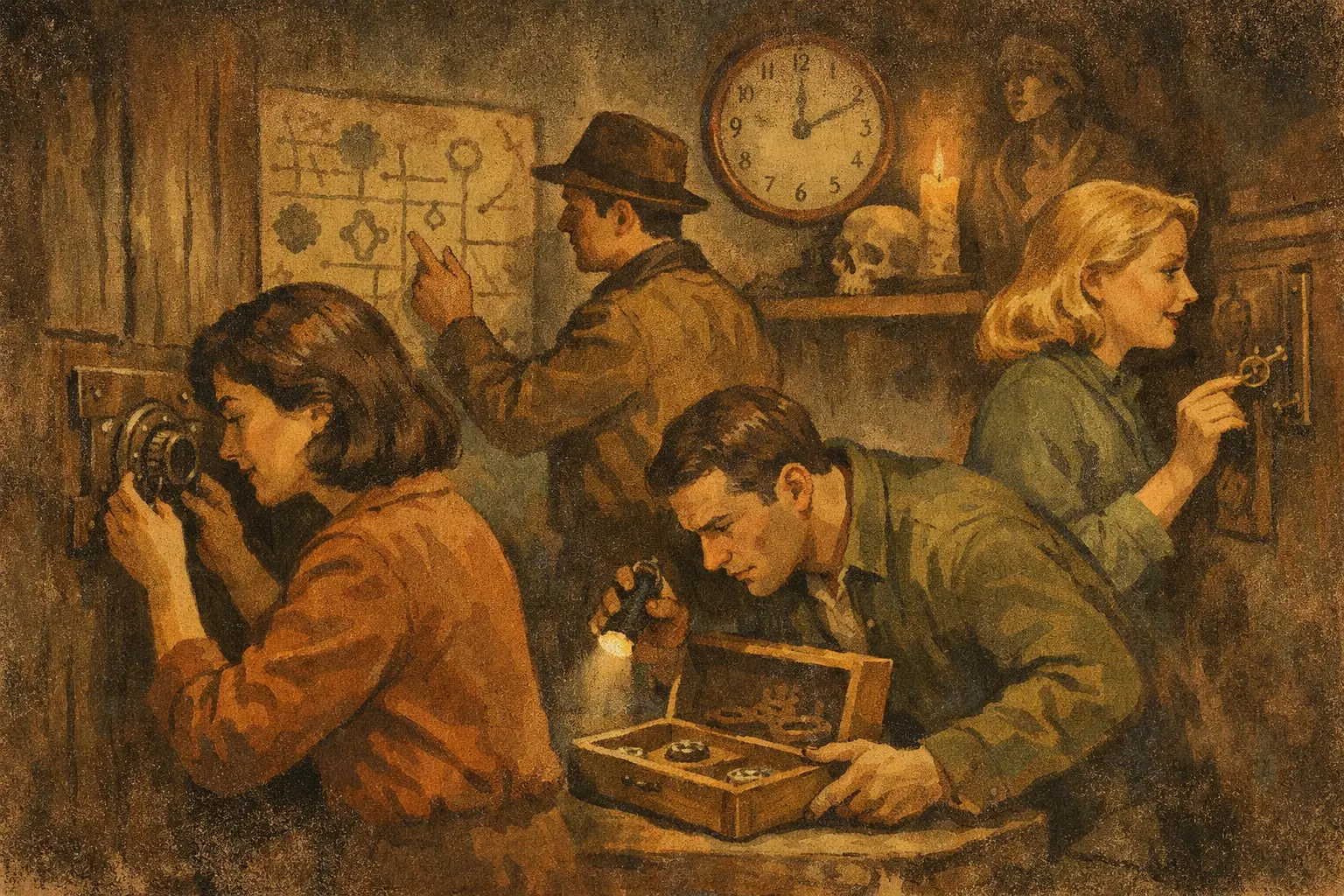
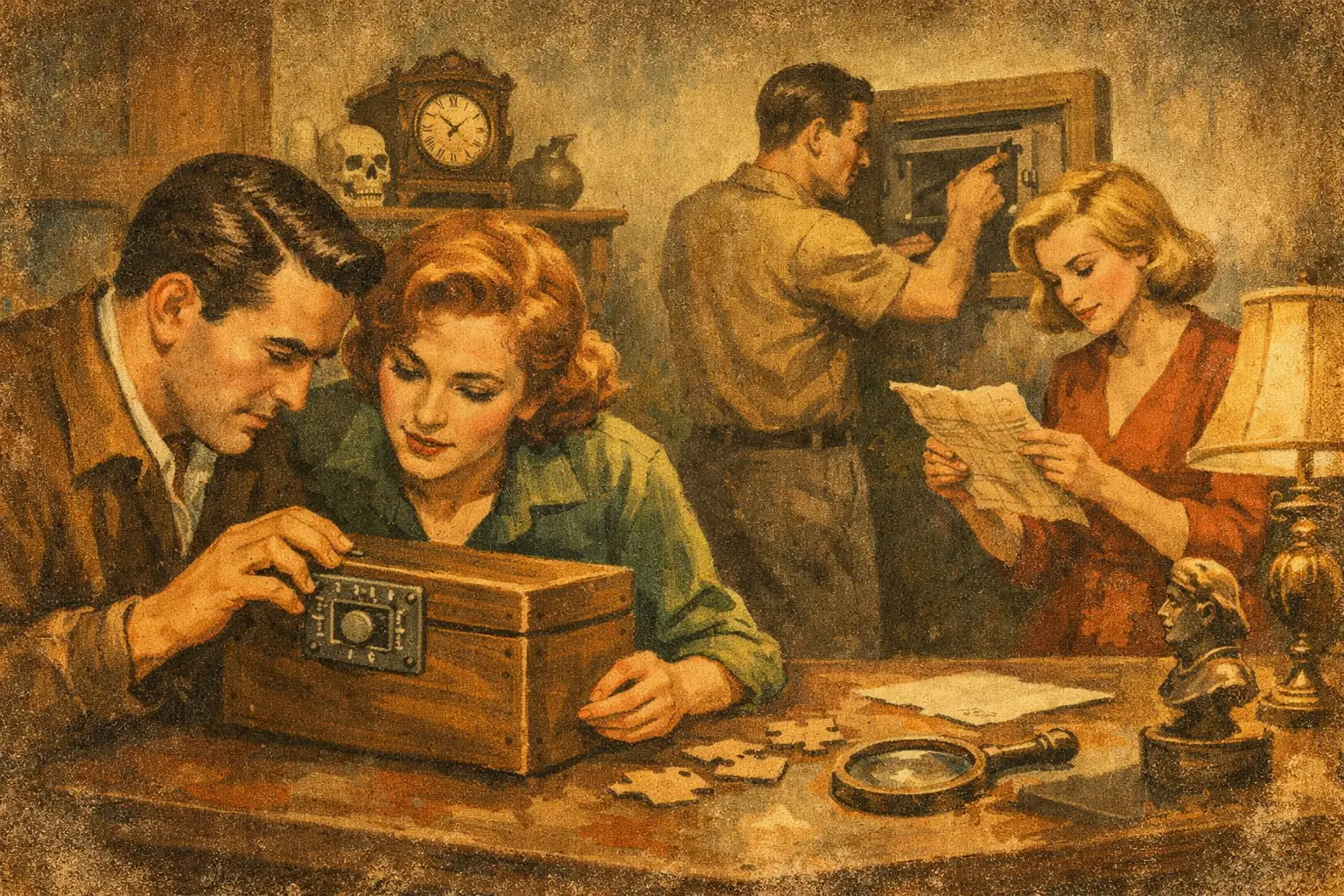
If you want a party activity that gets everyone involved fast, this is hard to beat. Escape rooms work because they turn your group into a team with a mission. Every second counts, people start shouting out clues, someone becomes weirdly good at locks, and suddenly the whole room is fully invested.

This option works especially well for birthdays, family celebrations, friend groups, and team outings because it gives people a shared objective right away. It is also private by nature when booked that way, which makes the experience feel more comfortable and more personal.

2. Boat-based adventure parties

A private boat outing instantly feels like a celebration, especially in a destination like Key West. But the best version is not just cruising around with snacks. Adding a challenge, theme, or group mission makes the experience more memorable.

This is a strong pick for bachelor and bachelorette groups, milestone birthdays, and vacation crews who want scenery plus activity. The trade-off is weather. If you plan something on the water, always have a backup plan or a flexible mindset.

3. Outdoor scavenger hunts

For groups that want to move, explore, and keep the energy up, a scavenger hunt is a smart choice. It combines sightseeing with competition, which is a great fit for tourist groups and mixed-age parties.

A scavenger hunt also solves a common party problem – people do not have to make constant small talk because they are busy finding clues, checking locations, and trying to win. It creates conversation naturally.

4. Murder mystery parties

This one works best for groups that like a little drama and do not mind leaning into the theme. A murder mystery adds costumes, characters, and plenty of “Wait, it was you?” moments.

It can be hilarious with the right crowd, but it depends on guest personality. If your group is shy or not into roleplay, it may feel like work. If they love commitment and a little chaos, it can be a huge hit.

5. Private trivia night

Trivia is one of the easiest ways to get a group engaged without making anyone feel awkward. Teams form fast, people get competitive fast, and even guests who swear they are “bad at games” usually end up contributing something weirdly specific.

It is especially useful for larger groups because it scales well. You can also customize the questions around the guest of honor, your company, or your destination for a more personal feel.

6. Cooking or cocktail classes

If your group likes a hands-on experience with a built-in reward at the end, this is a fun route. Making food or drinks together gives people something to focus on while still leaving room to mingle.

This style of activity tends to be a little more relaxed than competitive games, so it is ideal if you want a social atmosphere without too much pressure. Just keep dietary restrictions and age mix in mind.

7. Game-show style competitions

Think buzzer rounds, mini challenges, head-to-head contests, and lots of cheering. Game-show formats are fantastic for groups with strong personalities and plenty of energy.

They work well for corporate teams and celebration groups because the pace stays high. The downside is that they need good hosting. Without that, they can drag. With it, they are a blast.

8. Private karaoke rooms

Karaoke can go one of two ways. With the right group, it becomes the story everyone talks about for months. With the wrong group, it becomes three brave singers and twelve people watching.

That is why private karaoke works better than public karaoke for parties. A private room lowers the pressure and raises the fun. It is a smart choice for outgoing friend groups and celebration nights.

9. Art and paint parties

Not every private party needs to be loud or frantic. Painting sessions, craft nights, and creative workshops are great for groups that want a more relaxed pace while still doing something together.

This can be especially good for birthdays, bridal events, and family groups. It may not be the best fit if your crowd wants high energy and nonstop movement.

10. Beach Olympics or field-day games

If you have an active group and enough space, team-based outdoor games can bring serious momentum. Relay races, challenge stations, and simple competitions keep everyone involved and laughing.

This works best when the group is ready to move and the weather cooperates. It is a strong option for reunions, school groups, and company outings, but maybe not for guests dressed for dinner.

11. Private dance lessons

Salsa, swing, line dancing, or just a fun beginner class can turn a party into a real event. The right instructor makes all the difference here. Guests do not need to be good dancers. They just need to be willing.

It is a nice pick for bachelorette parties, couples’ groups, and visitors looking for something more interactive than another bar stop.

12. Casino-style game nights

A private casino night gives your group built-in entertainment and lots of easy interaction. People can rotate between tables, learn a game, and keep the mood light without needing special skills.

This is one of the better options for mixed groups because guests can participate at their own comfort level. It feels festive without requiring everyone to perform.

13. Private movie or watch parties with a twist

On its own, a movie night is not usually enough for a private party. But add themed snacks, trivia, dress-up elements, or interactive games, and it becomes much more engaging.

This makes sense for family groups, teen birthdays, and low-key celebrations. It is not the strongest choice if your goal is nonstop interaction.

14. DIY challenge stations

For casual parties at a rented house or event space, stations can work well. Think build-your-own desserts, puzzle tables, mini contests, or quick creative challenges. This format lets people move around and join in at their own pace.

The upside is flexibility. The downside is that it can feel scattered unless there is a clear flow. It helps to mix free-form stations with one or two scheduled moments.

15. City puzzle adventures

This is one of the most fun options for a destination party because it combines exploration, teamwork, and problem-solving. Your group gets the excitement of a challenge plus the feeling of discovering a place together.

For visitors in Key West, this kind of activity fits especially well. You get the energy of a shared mission without being stuck in one spot, and the city becomes part of the game.

How to choose the best private party activity ideas for your group

Start with your people, not the trend. A party activity should match the personality of the group, the occasion, and the amount of energy you actually want. If it is a corporate outing, you may want collaboration without too much chaos. If it is a birthday weekend, a louder and more competitive option could be perfect.

Group size matters too. Some activities are amazing for eight people and clunky for twenty. Others need a bigger crowd to feel lively. Budget, time, weather, and age range all matter more than most planners expect.

The biggest mistake is choosing something passive and hoping the group creates its own momentum. Usually, it does not. The best private party activity ideas give guests a reason to jump in right away, even if they have never met before.

Why interactive experiences usually win

Private parties are better when guests are making memories together instead of just standing near each other. That is why interactive formats keep outperforming standard party setups. They break the ice faster, create natural conversation, and give your event an actual story.

That is also why escape rooms, city puzzle games, and adventure-based group experiences keep showing up at the top of the list. They are built for participation. A private experience at Key West Room Escape, for example, works because your group is not watching the fun happen – you are the fun. You crack the code, beat the clock, and celebrate together.

If you are planning a private party, think beyond the usual dinner-and-drinks routine. Pick something with movement, laughter, teamwork, and a little pressure in the best way. When the activity gives everyone a role, the party practically runs itself.

12 Best Birthday Group Activities to Try

Some birthdays deserve more than dinner, cake, and the usual group text that says, “So… what’s the plan?” If you’re searching for the best birthday group activities, the real goal is simple: pick something everyone can actually do together, laugh about later, and remember for more than one night.

That rules out a lot of the usual filler. A great group birthday activity needs momentum, a little personality, and just enough structure to keep the day from drifting. Whether you’re planning for family, friends, coworkers, or a mixed-age vacation crew in Key West, the best choice is usually the one that gets people interacting instead of just standing around.

What makes the best birthday group activities work?

The strongest group plans have one thing in common – they give people something to do, not just somewhere to be. That sounds obvious, but it matters. When the activity has a shared goal, a playful challenge, or a built-in experience, people loosen up faster and the birthday feels like an event instead of an obligation.

The other big factor is flexibility. Some groups want high energy and competition. Others want easygoing fun with room to talk, snack, and take photos. The best birthday group activities leave space for both, which is why interactive experiences usually beat passive ones.

12 best birthday group activities for a fun shared experience

1. Private escape room games

If you want instant teamwork, big reactions, and plenty of “wait, try that lock again!” energy, an escape room is hard to beat. It works especially well for birthdays because everyone gets pulled into the same mission right away. Nobody is stuck on the sidelines, and even first-timers usually get hooked within minutes.

This option fits friend groups, families with teens, adult birthdays, and even mixed groups where not everyone knows each other well. Private games are especially useful because your group gets the full experience without strangers changing the vibe. In a place like Key West, a themed room with local flavor feels even better than a generic party setup.

2. Outdoor scavenger hunt or city puzzle adventure

For groups that want to move around instead of staying in one room, a city-based puzzle experience brings the birthday out into the action. You get the social energy of exploring together, but with a mission to keep things focused. That combination works really well for vacation birthdays because it turns sightseeing into a game.

It’s also a strong pick when your group has mixed personalities. Competitive people can race ahead on clues, while everyone else still enjoys the walk, the laughs, and the random photo stops. If the weather is good and your group likes a little adventure, this is one of the smartest ways to keep the day feeling active.

3. Boat charters with a twist

A regular group boat day is already a solid birthday move in Key West. Add an interactive element, themed challenge, or escape-style format, and now you have something people will talk about the rest of the trip. Boat-based birthday activities feel more special because they’re part celebration, part adventure, and part “how often do we get to do this?”

This tends to work best for adult groups, bachelor or bachelorette parties, and friends celebrating during a vacation. The trade-off is planning. Boat experiences usually need earlier booking, clear head counts, and realistic timing. But when your group wants a true occasion, the extra effort pays off.

4. Sunset sail or group cruise

Not every birthday group wants to race a clock or solve clues. Sometimes the best plan is getting everybody on the water, handing out drinks, and letting Key West do the heavy lifting. A sunset cruise is easy to love because it gives you scenery, conversation, and that built-in sense of “we are definitely doing something.”

This works especially well for milestone birthdays and multigenerational groups. The only catch is that it’s more about atmosphere than interaction. If your crowd needs action, pair it with another activity earlier in the day.

5. Food tour with a competitive angle

A food tour can be much more fun when the group treats it like a challenge. Best conch fritters? Best key lime pie? Best hidden gem? Suddenly the whole birthday has a running debate, and everybody gets involved.

This is a smart option for groups that bond over eating more than athletics or puzzle-solving. It’s low pressure, easy to personalize, and very friendly for visitors. Just remember that pacing matters. Too many stops too fast can turn “fun foodie birthday” into “we all need a nap.”

6. Beach games and picnic setup

For daytime birthdays, beach games can hit the sweet spot between relaxed and lively. Volleyball, relay games, sand challenges, or even a simple playlist-and-picnic setup can work if your group likes casual fun and plenty of room to spread out.

The upside is flexibility and cost control. The downside is logistics. You need weather cooperation, supplies, and someone willing to keep the plan moving. Great for laid-back crews, less ideal for anyone hoping for a fully organized experience.

7. Group snorkeling or sandbar trip

This one is all about shared memories. A snorkeling trip gives the group a built-in adventure, and even people who are not usually “activity planners” tend to get excited about getting out on the water. It feels celebratory without forcing a party format.

That said, it depends on your group’s comfort level. Some people love being in the water, while others are happier staying dry. If your birthday crew includes hesitant swimmers or very young kids, choose carefully or make sure there’s a comfortable boat-based option too.

8. Trivia night with your own birthday team

Trivia is a classic for a reason. It gives the group structure, creates instant teamwork, and offers that perfect mix of friendly trash talk and actual collaboration. It’s especially useful if your birthday plan needs to happen at night and you want something more interactive than simply meeting at a bar.

This works best for smaller groups or groups that enjoy talking as much as doing. If your crowd is loud, restless, or ready for bigger movement, trivia may feel too tame on its own.

9. Karaoke or sing-along party rooms

Karaoke is not subtle, and that is exactly why it works. For birthdays, it gives people permission to be ridiculous in a way that feels fun instead of forced. The birthday person usually gets a spotlight moment, but the whole group stays involved.

It’s not for everyone, though. Some groups need a little liquid courage before the microphones start. If your crew is shy, a more task-based activity may get better results.

10. Mini golf or arcade competitions

For pure easy fun, this is one of the safest bets around. Mini golf and arcade-style games are familiar, fast-moving, and good for mixed ages. You don’t need much explanation, and people can jump in at their own comfort level.

The trade-off is that these activities can feel less special unless you build in your own birthday energy. Add teams, prizes, or a dinner plan afterward and it becomes more memorable.

11. Art, cooking, or craft workshops

If your group prefers making something over racing through a challenge, a hands-on class can be a great birthday fit. Cooking sessions, painting parties, and craft workshops give people time to talk while still keeping the event focused.

This style works well for family celebrations, girls’ trips, and groups that want a more relaxed pace. It usually has less adrenaline, but more conversation. That can be a plus or a minus depending on the birthday vibe you want.

12. A two-part birthday plan

Sometimes the best answer is not one activity at all. It’s pairing a high-energy experience with a more social follow-up. Think escape room plus dinner, scavenger hunt plus sunset drinks, or snorkeling plus a casual birthday hangout afterward.

This is often the strongest option for bigger celebrations because it solves two problems at once. You get the shared experience people remember, and you still leave room for the cake, toasts, and conversation that make a birthday feel personal.

How to choose the best birthday group activities for your crew

Start with your group size. Some activities are better for six people than sixteen, and that difference matters more than most planners expect. If your group is large, look for something private or structured enough to keep everyone involved.

Then think about energy level. Do you want problem-solving, movement, water time, or a relaxed social atmosphere? A birthday can absolutely be low-key, but if the group expects excitement, choosing a passive plan usually falls flat.

It also helps to be honest about logistics. Indoor activities are easier to control. Outdoor and water-based plans can be fantastic in Key West, but weather, timing, and transportation all matter. If the birthday schedule is tight, a bookable, timed activity usually runs smoother.

Why interactive experiences usually win

When people talk about their favorite birthday plans, they rarely mean the part where everyone stood around deciding where to go next. They remember the countdown, the team effort, the surprise twist, the ridiculous guesses, and the moment the whole group got into it.

That’s why interactive options consistently land among the best birthday group activities. They turn a celebration into a shared story. And if you happen to be in Key West, something immersive and private – like the experiences at Key West Room Escape – fits that birthday energy perfectly.

Pick the activity that gets your group talking, moving, and laughing together, and the rest of the celebration gets a whole lot easier.

How to Plan Rainy Vacation Activities

Rain shows up fast on vacation. One minute you are heading for the beach, the next you are sprinting under an awning with a melting ice cream cone and a group chat full of confused messages. That is exactly why knowing how to plan rainy vacation activities matters before the forecast turns. A little prep keeps the fun rolling, saves your budget from last-minute panic spending, and stops one wet afternoon from hijacking the whole trip.

How to plan rainy vacation activities without killing the mood

The biggest mistake travelers make is treating rain like a full-day disaster. Most of the time, it is not. It might be a two-hour storm, an on-and-off drizzle, or a windy afternoon that wipes out your outdoor plans but leaves plenty of room for something better than sitting in the hotel scrolling for ideas.

Start by planning for categories, not exact minute-by-minute backups. Think indoor adventure, relaxed downtime, food-based fun, and short weather windows. That gives you options depending on whether you are traveling with kids, another couple, a birthday group, or coworkers who all have different opinions about what counts as a good time.

The goal is simple: build a rainy-day game plan that still feels like vacation. Nobody wants a backup plan that feels like settling.

Build a short rainy-day lineup before your trip

You do not need a color-coded spreadsheet. You do need a shortlist. Before you leave, save five to seven activities that work in bad weather and match your group energy.

A good rainy-day lineup usually includes one high-energy activity, one low-key option, one meal-centered plan, and one thing you can book quickly if the weather shifts. This keeps you from wasting an hour debating what to do while everyone gets hungrier and grumpier.

For example, your high-energy pick might be an escape room, indoor arcade, bowling spot, or immersive group game. Your low-key option could be a museum, local gallery, coffee shop crawl, or long lunch somewhere with character. The meal-centered plan works especially well on vacation because food can rescue almost any schedule. A cooking class, dessert stop, or seafood lunch with live music can turn a rainy day into a story.

If you are traveling somewhere like Key West, where many visitors come for sunshine and outdoor wandering, indoor experiences matter even more. A private group activity with a set start time can save the day when the weather gets weird fast.

Pick backups that fit your group, not just the forecast

This part matters. A great rainy-day plan for a couple is not always a great one for a family with two teenagers and a grandparent. Likewise, a bachelor party may want action and laughs, while a multigenerational vacation group may need something accessible, social, and easy to join.

Ask two quick questions before you choose your backups. First, do people want to move around or sit and relax? Second, do they want something structured or something flexible? Those answers narrow your choices fast.

Structured activities are great when your group gets indecisive. Once a booking is made, the plan is done. Flexible activities are better if your crew likes to wander and make calls in real time. Neither is better across the board. It depends on your group dynamic.

Prioritize indoor activities you can actually enjoy in the rain

Not every so-called rainy-day activity works when it is truly pouring. Shopping districts with partial cover sound good until you are dodging puddles and carrying wet bags. Scenic trolley rides can also lose their charm if everyone is damp and cranky.

Look for activities that solve the weather problem, not ones that sort of dodge it. Fully indoor, easy-to-reach, and bookable is a strong combination. Bonus points if the activity feels special enough that you would have considered it even on a sunny day.

Escape rooms are a strong example because they are active, social, and built for groups. They also give your day shape. Instead of saying, “Now what?” you have a mission, a time slot, and something to talk about afterward. For families, friend groups, and team outings, that can be a much better use of a rainy afternoon than splitting up and hoping everyone finds something decent to do.

At Key West Room Escape, for example, a rainy day can turn into a full-on challenge instead of a washout. You are not just waiting for better weather. You are cracking clues, racing the clock, and seeing who in your group stays calm when every second counts!! That is the kind of backup plan people remember.

Choose one thing to book ahead and one thing to keep flexible

This is the sweet spot. Book one anchor activity before your trip, especially if you are traveling during busy season, on a weekend, or with a bigger group. Then keep one or two easy options in reserve for the day itself.

Why both? Because weather is unpredictable, and vacation schedules change. A pre-booked activity gives you confidence. A flexible option gives you breathing room. If the sun comes back out, great. If not, you are still covered.

How to plan rainy vacation activities on a real budget

Rain can make people spend badly. Once plans fall apart, it is easy to overpay for taxis, impulse tickets, or expensive meals just because everyone wants a fast fix. A better move is setting a simple rainy-day budget before your trip.

Decide what your group is comfortable spending on one backup activity. Then compare your saved options in advance. Some experiences are worth the splurge because they entertain everyone at once. Others are better as low-cost fillers between weather windows.

This is where value matters more than price alone. A cheap activity that bores half the group is not a bargain. A private, immersive activity that keeps everyone engaged for an hour or two may be the better call, especially when it prevents the dreaded vacation spiral of indecision, complaints, and separate plans.

Also think about hidden costs. Transportation, parking, snacks, and last-minute booking fees add up. The easier the activity is to access and understand, the smoother the day goes.

Use the weather window strategy

Rainy vacation days are often not fully rainy. They come in chunks. A smart planner watches for windows.

If the morning looks rough and the afternoon clears, use your indoor plan first and leave your outdoor sightseeing for later. If there is a dry break around lunch, head somewhere close by rather than committing to a long excursion. This lets you salvage part of your original itinerary without forcing it.

Short, structured activities work really well here because they leave room to pivot. A 60-minute game, a museum stop, or an early meal can bridge the storm and keep your momentum going. Long, all-day backups are riskier unless the forecast is clearly bad from start to finish.

This is also where location matters. The best rainy-day activities are close to other useful stops like restaurants, parking, or walkable areas. That way, one plan can flow into the next without turning into a logistical mess.

Keep the group in sync before the rain starts

Rain does not ruin vacations nearly as often as bad communication does. If you are the planner, tell your group ahead of time what the backup options are. You do not need a committee meeting. Just set expectations.

Something as simple as, “If it rains Saturday, we are either doing the escape room or heading to that indoor food spot,” can save a ton of friction later. People relax when they know there is a plan.

This is especially useful for birthday weekends, family trips, and group getaways where one person usually ends up making all the decisions. Taking ten minutes to prep backups before the trip means you do not spend the storm trying to herd cats.

Do not overpack the day

One more trap: trying to make up for lost sunshine by cramming in too much. You do not need three backup activities and a packed dinner reservation just because it rained at noon.

Leave space. Rain can slow everything down, including transportation and everybody’s mood. One solid activity and one good meal may be all you need. A vacation day still counts if it looks different from what you imagined.

Sometimes the best rainy-day plan is the one that keeps the energy up without forcing the issue. Trade the canceled beach block for an hour of teamwork, a great lunch, and a slower afternoon. That is still a win.

The trick with how to plan rainy vacation activities is not trying to outsmart the weather. It is giving yourself good options before the sky changes. Do that, and a rainy day stops feeling like lost time and starts feeling like part of the adventure.

12 Best Vacation Group Activities

A group vacation can go sideways fast when half the crew wants adventure, two people want air conditioning, someone is hungry, and one heroic planner is stuck trying to keep everyone happy. That is exactly why choosing the best vacation group activities matters. The right pick does more than fill time – it gets everyone laughing, talking, competing, and making the kind of memories that come up long after the trip is over.

The trick is not finding the most expensive activity or the loudest one. It is finding something built for shared fun. The best group activities give everyone a role, keep the energy moving, and work for mixed ages, mixed personalities, and mixed attention spans. On vacation, that is gold.

What makes the best vacation group activities actually work?

A great group activity has one job: bring people together without feeling forced. That sounds simple, but plenty of vacation plans miss the mark. A dinner reservation might split into side conversations. A beach day can drift into everyone doing their own thing. A shopping stop usually excites only part of the group.

Shared experiences work better because they give the group a common mission. That mission might be solving clues, getting out on the water, learning something new, or chasing a little friendly competition. When everyone is focused on the same goal, the mood changes. People loosen up. The quiet person speaks up. The usual planner finally gets to enjoy the moment too.

The strongest options also have a clear beginning and end. That matters more than people think. Vacation days get packed quickly, and a two-hour activity with a real payoff often lands better than an all-day plan that fizzles. If it is easy to book, easy to understand, and fun from minute one, you are on the right track.

Best vacation group activities for different kinds of travelers

Not every group wants the same thing, and that is where smart planning wins. The best vacation group activities are the ones that match your crew, not just the destination brochure.

Escape rooms for groups that want action and teamwork

If your group likes to talk, laugh, compete, and think on the fly, an escape room is hard to beat. Everyone has something to do, whether that is spotting hidden details, solving puzzles, managing the clock, or keeping the team from spiraling into total clue chaos. It is active without being physically demanding, which makes it a strong fit for families, friend groups, birthday outings, and corporate teams.

The real advantage is that nobody is just watching. In a good escape room, every second counts!! People naturally start working together, and even the skeptics usually get pulled in once the first lock clicks open. For vacation groups, that kind of instant engagement is a huge win.

Boat charters for groups that want a big shared moment

There is a reason boat days become the photos everyone posts first. Being out on the water instantly feels like an event, not just an activity. For groups, that matters. A private charter can turn a regular afternoon into something that feels personal, memorable, and distinctly tied to the place you are visiting.

This option works especially well for celebrations like birthdays, bachelor and bachelorette trips, and reunions. It gives the group space to relax, talk, and enjoy the destination together instead of getting split up in a crowd. The trade-off is cost and weather. Boat outings can be more of an investment, and conditions matter, so they are best for groups that want the experience enough to plan around it.

Outdoor scavenger hunts for groups that want to explore

Some groups get restless sitting still. If that sounds familiar, an outdoor puzzle hunt or scavenger-style experience can be the sweet spot between sightseeing and gameplay. You still get to explore the area, but now there is a mission attached. That keeps the experience from feeling like aimless wandering.

This is a strong choice for tourists who want to see a destination in a more interactive way. It is also great for groups with a mix of ages because the pace is usually manageable, and the game gives everyone a reason to pay attention. You are not just walking around. You are cracking the code while moving through town.

Food tours and tastings for easygoing groups

If your group bonds best over snacks and stories, food-centered activities make sense. Tastings and guided food tours are low-pressure, social, and easy for most people to enjoy. They work well on arrival days, slower afternoons, or as a reset after a more intense activity.

The limitation is that food tours are usually more passive than game-based experiences. People enjoy them, but they do not always create the same shared momentum as something collaborative. If your group is energetic or competitive, you may want to pair a food stop with something more interactive later in the day.

Beach games and water activities for casual fun

Classic vacation energy still counts. Paddleboarding, snorkeling, sand volleyball, or even a simple beach game setup can keep a group entertained without too much structure. These are best when your crew already enjoys being outdoors and does not need a lot of built-in direction.

Still, this category depends heavily on weather, skill level, and motivation. Some people love getting out in the sun. Others are done after ten minutes and want shade immediately. That does not make beach activities a bad pick. It just means they work best when the whole group is genuinely on board.

How to choose the best vacation group activities without overthinking it

Start with group size. Some activities feel great with six people and chaotic with twelve. Others are built for large groups and lose their spark when the crowd is too small. Knowing your headcount early saves time and helps avoid awkward last-minute changes.

Then think about energy level. Is your group here to relax, compete, explore, celebrate, or do a little of everything? The best plans match the mood of the trip. A puzzle challenge before dinner can be perfect for a lively crew. A charter or tasting might fit better if the goal is to slow down and enjoy the setting.

Timing matters too. Morning groups usually have more patience and focus. Late afternoon groups may want something lighter or more social. If people are arriving from flights, dragging them into an activity that requires peak brainpower may not be the move. Save your strongest group experience for when everyone is actually ready to enjoy it.

Finally, do not underestimate privacy. Public activities can be fun, but private group experiences often feel better for celebrations, family trips, and team outings. Your group gets to settle in, be loud, laugh at inside jokes, and fully participate without worrying about strangers. That freedom changes the whole vibe.

Why interactive experiences tend to win

When people look back on a trip, they rarely rave about the time everyone stood around trying to decide where to go next. They remember the challenge, the surprise, the near miss, the big laugh, and the moment the whole group got into it at once.

That is why interactive activities consistently rank among the best vacation group activities. They create stories on the spot. Maybe your team solved the final puzzle with seconds left. Maybe one person turned out to be weirdly amazing at reading clues. Maybe the group completely fell apart for five hilarious minutes before pulling it together. Those moments stick because everyone was part of them.

In a place like Key West, that kind of experience hits even better when it taps into the destination itself. Themed adventures, outdoor puzzle games, and on-the-water challenges feel less generic and more like part of the trip. That is a big reason experiences like Key West Room Escape connect so well with vacation groups – they give you something active, local, and built for shared fun instead of another filler activity.

A better way to plan your group day

If you are trying to please a mix of personalities, build the day around one anchor activity. Pick the thing that gets everyone involved, then let meals, drinks, beach time, or shopping happen around it. That keeps the day from feeling scattered and gives the group a clear highlight.

This also takes pressure off the planner. Instead of trying to schedule every minute, you choose one experience with real energy behind it. Everything else can stay flexible. For most groups, that balance works better than packing the day with too many stops.

The best vacation group activities are not always the flashiest ones. They are the ones people actually talk about afterward, the ones that turn a group of individuals into a team for an hour or two, and the ones that make the trip feel shared instead of just scheduled. If you can find an activity that gets everybody engaged, laughing, and fully in the moment, you are not just filling the itinerary. You are giving the whole trip a center.

Private Escape Room vs Public Game

You’ve picked the room, rallied the group, and maybe even started debating who will be “in charge” once the clock starts. Now comes the real planning question: private escape room vs public game. That choice can shape the whole experience, from how loudly your group celebrates a solved puzzle to whether you’re sharing clues with total strangers on vacation.

If you’re booking for a family outing, a birthday, a date night, or a team event, this isn’t a tiny detail. It affects comfort, teamwork, pacing, and the kind of memories you take with you afterward. Some groups love meeting new people and jumping into the challenge together. Others want the whole adventure to stay in the family, the friend group, or the office crew. Both options can be fun. The better fit depends on who’s playing and what kind of night you want.

Private escape room vs public game: What’s the difference?

A private escape room means the game is reserved just for your group. If you book spots, the room is yours, and you won’t be paired with outside players. That creates a more personal, more controlled experience from the first clue to the final lock.

A public game means your group may share the room with other participants who booked the same time slot. If the game isn’t sold out by one party, strangers can join the team. That can be great if you have a smaller group and don’t mind mixing with others, but it changes the social dynamic right away.

This is where the decision gets real. Escape rooms are built around communication, fast thinking, and shared energy. The people in the room matter almost as much as the puzzles.

Why private games are often the better fit for groups

If you’re traveling with family or friends, a private game usually feels more relaxed and more fun. You already know each other’s personalities. You know who loves logic puzzles, who gets hilariously competitive, and who will absolutely try the wrong key three times before asking for help. That familiarity matters when the countdown is on.

Private games also give your group freedom to play your way. You can celebrate loudly, joke around, divide tasks naturally, and settle into your own rhythm without worrying about awkward introductions or stepping on a stranger’s strategy. For birthdays, bachelor and bachelorette outings, reunion weekends, and vacation activities, that makes a big difference.

There’s also the comfort factor. Some players, especially first-timers or younger guests, feel more confident when they’re only with people they know. They speak up more. They participate more. And that usually leads to a better team experience overall.

For corporate groups, private rooms are almost always the stronger choice. Team building works best when your actual team is working through the challenge together. You get the communication, leadership, and problem-solving benefits without outside players changing the flow.

When a public game can make sense

Public games aren’t automatically the wrong choice. They can work well in a few situations.

If you’re a pair or a very small group, joining a public game can help fill out the room and bring in extra brainpower. A bigger team may solve certain puzzles faster, especially if the room has lots of moving parts at once. If you’re outgoing, flexible, and just want a fun challenge, meeting other players can be part of the entertainment.

Public games can also appeal to experienced escape room fans who care more about puzzle volume than social setup. If your goal is simply to get in the room, crack codes, and beat the timer, you may not mind sharing the experience.

Still, there’s a trade-off. You don’t get full control over the energy in the room. One mixed team might click instantly. Another might have one person dominating every clue while everyone else watches. That unpredictability is part of the package.

The social side changes everything

Escape rooms are social by nature. Even when the puzzles are brilliant, the people around you shape the mood.

In a private room, your group gets a shared story. The big solve belongs to you. The inside jokes belong to you. The chaotic moment when everyone talks at once while one person quietly solves the whole thing in the corner? Also yours. That’s a huge reason private bookings are popular for celebrations and vacations. The experience feels like part of your trip, not just something you attended.

In a public game, that story is shared with people you just met. Sometimes that leads to great teamwork. Sometimes it leads to hesitation. People may hold back, worry about taking over, or stay quiet because they don’t know the others in the room. If your group is looking for a true shared adventure, private usually wins.

Private escape room vs public game for families

Families usually get more value from a private room, even if the price looks different at first glance. Kids and teens tend to engage more when they’re around familiar adults and siblings instead of strangers. Parents can guide the experience more comfortably, and everyone gets to participate without social awkwardness.

This matters even more on vacation. Families are often trying to find one activity that works for different ages and attention spans. A private room lets you focus on your own fun instead of adjusting to another group’s pace.

It also keeps the tone where you want it. Some families want all-out competitive energy. Others want a lighter, more playful experience with lots of hints and laughs. Private rooms give you space for either one.

What about dates, celebrations, and group outings?

For date nights, private is usually the easy winner. Even if you love meeting people, most couples would rather solve puzzles together than turn the night into a mixer.

For birthdays and bachelor or bachelorette groups, private is even more important. These outings are about your people. You want to laugh, talk trash, take victory photos, and enjoy the experience without wondering who else might join the room.

The same goes for friend groups on a Key West trip. If you’ve spent the day on the water, in Old Town, or hopping between vacation plans, an escape room works best when it feels like your crew’s adventure from start to finish.

Budget matters, but so does value

For some players, the biggest reason to consider a public game is price. Sharing a room can sometimes feel like the lower-cost option, especially for very small groups.

But value isn’t just the ticket total. It’s also what kind of experience you’re buying. A private game often delivers more comfort, more freedom, and more memorable group interaction. If this is part of a birthday, vacation itinerary, or team event, that extra value can easily outweigh the difference.

Think of it this way: if the whole point is to create a shared memory, then keeping the room private may be the better investment.

Who should choose private and who might be fine with public?

Private games are usually the right call for families, tourists, corporate groups, birthday parties, school groups, bachelor and bachelorette outings, and anyone who wants a more personal experience. They also make sense for first-time players who may feel more comfortable learning the format with people they know.

Public games may be fine for couples, solo players, or very small groups who are flexible, social, and mainly focused on getting into a game. They can also work for seasoned players who don’t mind adapting to other personalities.

That said, if your group is even slightly on the fence, private is often the safer choice. You remove the unknowns and keep the focus on fun.

Why this choice matters more in a destination like Key West

Vacation activities have a different job than everyday entertainment. They need to be worth the time, easy to enjoy, and memorable enough that your group talks about them later. In a place like Key West, where your day might already include beaches, boats, bars, sightseeing, or family plans, an escape room should add energy to the trip, not friction.

That’s why private games fit so well. They feel tailored to your group. You’re not just filling an hour. You’re creating one of those “remember when we almost ran out of time?” moments that sticks.

At Key West Room Escape, that private-group format makes a lot of sense for travelers and locals alike. When your team steps into the story, every second counts, and the adventure stays with your crew.

The best question to ask before you book

Don’t ask only which option is cheaper. Ask which option gives your group the kind of experience you actually want.

If you want flexibility, familiarity, and a game that feels like it was built for your people, go private. If you’re open to surprises, don’t mind mixed teams, and just want a shot at the room, a public game may work just fine.

The best escape room experiences aren’t just about escaping. They’re about who you’re laughing with when the final clue clicks into place.

Key West Escape Games Worth Booking

You can only do so many sunset photos, bar stops, and souvenir runs before the group starts asking the real vacation question: what are we doing next? That is exactly where key west escape games shine. They give your crew a mission, a clock, and a reason to work together instead of wandering around trying to agree on the next plan.

That matters in Key West because this town already runs on energy, personality, and stories. An escape game fits right in. You are not just filling an hour. You are stepping into a themed challenge where every clue matters, every second counts, and everybody gets to play a part. For families, friend groups, couples, birthday crews, and company teams, that mix is hard to beat.

Why key west escape games fit the island so well

Key West is not a copy-and-paste destination. People come here for character. They want more than generic entertainment, and that is why escape games with local flavor land so well. A pirate mystery, an Old Town-inspired puzzle trail, or a game that feels tied to the spirit of the island is simply more fun than a theme you could find anywhere.

There is also a practical side. Vacation groups are rarely made up of people who all want the same thing. Some want action. Some want air conditioning. Some want something family-friendly. Some want a break from beaches and boats for an hour. Escape games solve that problem nicely because they are active without being physically intense, social without being awkward, and structured without feeling rigid.

If your group has different personalities, this is where the magic happens. The loud clue-shouter, the quiet pattern-spotter, the person who notices details nobody else sees, and the one who somehow stays calm under pressure all get a moment to shine.

What makes a great escape game in Key West

Not all escape games feel the same, and that is a good thing. The best ones do more than toss a few locks in a room and call it an adventure. They create a full experience that starts the moment your group arrives.

Theme matters first. In a destination like Key West, a strong setting is part of the fun. You want a game that feels playful, immersive, and connected to the local mood. Pirate lore, hidden treasure energy, island intrigue, and sightseeing with a puzzle twist all make sense here. Generic office-room puzzles do not exactly scream vacation.

Private play matters too. For most groups, especially tourists and celebration groups, a private game is a better fit than being mixed with strangers. It keeps the experience comfortable, more personal, and a lot more fun. Your inside jokes stay inside, your teamwork feels natural, and no one has to wonder whether they should take over or hang back.

Then there is challenge level. A good room should feel exciting, not punishing. If it is too easy, the win feels flat. If it is too confusing, people stop having fun. The sweet spot is a room that keeps your group moving, gives you enough clues to build momentum, and still makes the final solve feel earned.

Who should book key west escape games

Short answer? Almost everybody with a sense of adventure.

Vacationing families love escape games because they give teens, parents, and older kids something to do together that is not just sitting through another meal. Friend groups book them because they are way more memorable than arguing over where to go next. Couples enjoy them because they mix connection and playful competition. Bachelor and bachelorette groups like them because they add energy to the day before the bigger nighttime plans kick in.

Corporate teams are another natural fit. Team building works best when it does not feel forced, and an escape game gives people a real reason to communicate, delegate, and think under pressure. You learn pretty quickly who organizes, who improvises, and who keeps the team from spiraling when the clock gets tight.

School and youth groups can also get a lot out of the format, especially when the experience rewards problem-solving and collaboration instead of pure speed. It is fun first, but the teamwork benefits are very real.

Indoor rooms, outdoor games, and boat adventures

One of the most fun things about the Key West activity scene is that escape-style play does not have to stay inside four walls. Traditional indoor rooms are still the classic choice because they deliver the full countdown experience. You step in, the door closes, and it is game on. That is ideal if your group wants maximum immersion and a concentrated 60-minute challenge.

Outdoor puzzle adventures bring a different kind of energy. Instead of staying in one themed environment, your team moves through the city solving clues along the way. That works especially well for visitors who want a little sightseeing built into the action. It is less about being locked in and more about following a trail, cracking codes, and seeing Key West from a fresh angle.

Then there is the wildcard option: taking the escape concept onto the water. That format turns a group activity into something even more memorable because the setting does half the storytelling for you. It is hard to top a private adventure that combines puzzles, teamwork, and a boat in Key West. For groups looking for something beyond the standard checklist, that kind of experience stands out fast.

How to pick the right game for your group

Start with the group size. Some games are best for smaller crews where everyone can stay tightly involved. Others work well for bigger parties that want a more lively team dynamic. If you are booking for a birthday, reunion, or office outing, make sure the experience is designed for your headcount rather than squeezing people in.

Next, think about the vibe. Do you want spooky, funny, adventurous, competitive, or family-friendly? The right answer depends on who is coming. A group of puzzle-loving adults may want a tougher challenge. A mixed-age family may care more about fun pacing and accessibility than maximum difficulty.

Timing matters more than people expect. If your crew is already sunburned, slightly hungry, and running late from a boat day, a complex game may feel less exciting and more chaotic. Escape games are best when the group arrives ready to focus and have fun. Showing up a little early, using the restroom before game time, and putting phones away helps more than most people realize.

What first-timers should know

If nobody in your group has done an escape room before, relax. You do not need special skills, and you definitely do not need to be a trivia genius. Great escape games are built for normal people who like to think, talk, search, and experiment.

The biggest beginner mistake is overthinking everything. Not every clue is a trick, and not every object is part of a giant secret conspiracy. The teams that do best usually communicate clearly, share discoveries out loud, and stay organized when they find something useful.

Another smart move is letting people naturally take on different roles. One person can track solved clues. Another can search carefully. Someone else can test ideas and keep the group moving. You do not need to appoint a captain, but it helps when everybody is not trying to solve the same lock at the same time.

And yes, hints are part of the fun. Asking for one does not ruin the experience. It keeps the momentum alive.

Why this beats another ordinary outing

There is nothing wrong with a nice dinner or a casual walk down Duval, but those plans do not always create a shared story. Escape games do. They give your group that one moment everybody talks about later – the near miss, the surprise solve, the ridiculous wrong answer that somehow felt completely right at the time.

That is the real appeal. Key West Room Escape and other strong local experiences are not just selling puzzles. They are selling a memory with movement, laughter, pressure, and payoff built in. You leave with that rare feeling that everyone actually did something together.

In a place like Key West, where people come looking for stories worth retelling, that kind of hour goes a long way. If your group wants something playful, fast-paced, and more memorable than another stop on the usual itinerary, book the challenge and see who cracks first.

Private Group Entertainment Key West Guide

The best private group entertainment Key West has to offer usually starts with one simple question: do you want your group to just show up somewhere, or actually do something together? That difference matters. A sunset drink is nice. A dinner reservation works. But if you want the kind of outing people keep talking about on the walk back to the car, you need an experience with energy, interaction, and just enough friendly pressure to get everyone involved.

Key West is built for memorable group time. The weather helps, the scenery does its job, and the town already feels a little playful before anything even starts. But not every activity fits every group. A family reunion has different needs than a bachelor party. A corporate team wants something more structured than a bar crawl. And if you’re planning for a mixed-age crowd, the sweet spot is usually an activity that gives everyone a role without putting anyone on the sidelines.

What makes private group entertainment in Key West worth booking?

Privacy is a bigger deal than a lot of planners expect. When your group books a private experience, the mood changes right away. People relax faster, joke more, and participate more freely when they are not sharing the moment with strangers. That matters for birthday groups, office teams, family celebrations, school outings, and vacation groups that simply want their own space.

The other advantage is control. Private bookings tend to make timing easier, group communication easier, and the overall experience smoother. You are not trying to coordinate around another party’s pace or comfort level. You can focus on your people, your reason for getting together, and the kind of fun you actually want.

In Key West, that usually means choosing between passive entertainment and interactive entertainment. Passive options let your group watch, listen, eat, or cruise. Interactive options ask your group to think, solve, compete, laugh, and work together. Neither is automatically better. It depends on the vibe you want. But if your goal is bonding, conversation, and real shared memories, interactive experiences usually win.

The best private group entertainment Key West groups actually remember

What sticks with people later is rarely the most ordinary part of the trip. It is the moment someone found the hidden clue. The second your team solved a puzzle with ten seconds left. The ridiculous guess that turned out to be right. The unexpected person in the group who suddenly became the hero.

That is why escape rooms, outdoor puzzle adventures, and private charter-style group experiences work so well in Key West. They give the group a mission. A mission changes everything. Instead of standing around asking what to do next, everyone is inside the action.

An escape room is especially strong for private groups because it creates instant teamwork without feeling forced. You are not sitting through a lecture on collaboration. You are in a themed challenge, the clock is moving, and every second counts. People communicate because they have to. They celebrate because they earned it. And the format works across a surprisingly wide range of groups, from families with older kids to coworkers to friend groups looking for something different before dinner.

Outdoor puzzle experiences add another layer if your group wants to move through town instead of staying in one room. In a place like Key West, that can be a smart choice. You still get the challenge and teamwork, but with sightseeing built into the experience. It feels active, local, and a little more open-ended.

Then there are private boat-based adventures, which can be a great fit for groups that want the water, the views, and something more engaging than simply floating around. The best versions combine the laid-back Key West setting with a shared objective or themed experience. That balance matters. If it is too slow, part of the group checks out. If it is too intense, it can lose the vacation feel. The sweet spot is fun with momentum.

How to choose the right activity for your group

Start with your people, not the brochure. Group size, age range, energy level, and trip purpose should drive the decision.

If you are planning for families, look for private entertainment that invites participation without requiring special skills. Puzzle-based activities are strong here because different ages can contribute in different ways. One person spots clues, another makes connections, another keeps the group organized. Everyone has a lane.

If this is a bachelor or bachelorette outing, the biggest factor is pacing. You probably want something fun, social, and easy to build around the rest of the day. A private adventure experience can give the group a shared win before the nightlife starts. It also solves the classic problem of getting everyone to do more than just stand around deciding where to go next.

For birthdays and celebrations, the best option is usually the one that feels distinct. People remember experiences with a challenge, a reveal, or a themed setting more than another meal reservation. If the group includes different personalities, a private game or immersive activity keeps things moving and gives everyone something to talk about.

Corporate teams are a little different. They need fun, yes, but they also need structure. The right group activity should feel like a reward, not a workshop in disguise. Escape-style experiences work well because they naturally bring out communication, problem-solving, and leadership without making anyone sit through awkward icebreakers. That said, some teams want high energy and competition, while others want a lighter touch. It depends on the group culture.

Why interactive entertainment beats another standard outing

There is nothing wrong with dinner, drinks, or a scenic cruise. But those activities often depend on the group bringing its own chemistry. Interactive entertainment helps create that chemistry.

That is the real value. When your group is solving, searching, racing, or laughing through a shared challenge, conversation happens naturally. People who barely know each other loosen up faster. Friends get new stories. Families stop looking at their phones. Even the quiet person usually finds a moment to jump in.

Private interactive entertainment also gives the planner something very useful: a defined start, a defined finish, and a clear reason to book ahead. That makes vacation scheduling easier. It helps with larger groups. And it reduces the risk of ending up with a plan that sounded good in theory but feels scattered once everyone arrives.

Of course, there are trade-offs. Interactive experiences require buy-in. If your group truly wants to sit back and do nothing, a challenge-based activity may not be the best fit. But for most groups visiting Key West, that is not the problem. The problem is finding something everyone can enjoy together. That is exactly where private entertainment shines.

Planning tips for private group entertainment Key West visitors should know

Book earlier than you think you need to, especially for weekends, holidays, and peak travel periods. Private experiences have limited time slots, and the best times go fast. If your group has tight dinner plans, cruise timing, or multiple activities in one day, that matters.

Be realistic about your group’s size and style. A smaller private room experience can be perfect for a close-knit group, while a larger team may do better with an outdoor adventure or a format built for more participants. Bigger is not always better. The right fit beats cramming everyone into the same plan.

It also helps to think about logistics before booking. Ask how early your group should arrive, whether everyone can participate comfortably, and what the pace feels like. A good private experience should be exciting, but it should also be easy to understand from the start.

If your group wants a strong Key West feel instead of a generic attraction, choose entertainment tied to the destination. Local themes, pirate stories, Old Town energy, and on-the-water adventures simply feel more memorable here. They belong to the trip. That extra sense of place can turn a fun activity into one of the highlights.

For groups that want challenge, laughs, and a little pressure in the best possible way, Key West Room Escape is an easy fit. Private games, themed storytelling, and team-first fun make it a natural choice for visitors and locals who want more than a routine outing.

The best group plans give everyone a role

The secret to a great group activity is not that every person likes the exact same thing. That almost never happens. The secret is choosing something flexible enough for different personalities to enjoy in different ways.

One person wants competition. Another wants photos. Someone else wants a story. Another just wants to laugh and be part of the action. Private entertainment works when it gives each of them a way in.

That is why the best Key West group experiences are not just about filling time. They give your crew a mission, a memory, and a reason to talk about it long after the trip is over. If you are planning something for friends, family, coworkers, or a celebration crew, pick the activity that gets everyone off the sidelines and into the fun.

How to Choose Escape Room Difficulty

Picking a room that is too easy can feel flat. Picking one that is too hard can turn a fun night into 60 minutes of confused staring at a locked box. If you are wondering how to choose escape room difficulty, the real goal is not choosing the hardest game possible. It is choosing the room that gives your group the best shot at feeling challenged, involved, and fired up from start to finish.

That sweet spot looks a little different for every group. A family with kids, a bachelorette party, a team-building outing, and a couple of puzzle pros should not all book the same way. The best escape room difficulty is the one that matches your people, your mood, and the kind of win you want.

How to choose escape room difficulty for your group

Start with the most important question: who is actually playing? Not who booked it. Not who says they are “good at puzzles.” The full group matters.

If half your team has done ten escape rooms and the other half has never done one, you do not really have an advanced group. You have a mixed group. That usually means choosing a room that has enough challenge to stay exciting, but not so much complexity that newer players get sidelined.

A good escape room should make everyone feel useful. That is why group fit matters more than bragging rights. If one or two players solve everything while everyone else watches, the room may be too advanced for that lineup. On the other hand, if clues are getting solved before the game even gets going, you probably went too easy.

The best choice usually lands right in the middle – enough pressure to create excitement, enough momentum to keep people engaged, and enough solvable moments for everybody to contribute.

Consider experience level honestly

This is where a lot of groups get overconfident. Enjoying true crime shows, board games, or crossword puzzles does not automatically make you escape room experts. Escape rooms test observation, communication, logic, and time management all at once. That is a different kind of challenge.

If your group is brand new, beginner-friendly or moderate difficulty is usually the smarter pick. You will still get plenty of challenge, but the game flow will be easier to understand. First-timers tend to have more fun when they can learn the rhythm of an escape room without getting buried under layers of puzzles right away.

If your group has several successful escapes under its belt, a harder room can make sense. Experienced players often enjoy more complex puzzle chains, less obvious clues, and tighter time pressure. Just make sure everyone in the room wants that kind of intensity. Some people like a challenge. Some people are on vacation and want a fun adventure, not a mental triathlon.

Think about age range, not just age minimums

Age matters for difficulty, but not in a strict, one-size-fits-all way. A room that works well for teens and adults may still be perfect for a family if the younger players can participate in visible, hands-on parts of the game.

The real question is whether the room allows everyone to join the action. Younger players usually do better in rooms with clear visual clues, strong themes, and collaborative puzzle-solving instead of highly abstract logic. Adults-only groups can often handle more layered or subtle challenges, especially if they enjoy strategy and problem-solving.

For mixed-age groups, ask yourself whether the room will let kids feel involved or leave them waiting while adults decode everything. The best family-friendly challenge is one where younger players can spot clues, open compartments, and celebrate wins right alongside the grownups.

Match the room to the reason you booked

Not every group wants the same kind of night. That matters more than people realize.

If you are planning a birthday, family outing, or vacation activity, fun usually beats pure difficulty. A room with a strong theme, fast momentum, and a satisfying challenge often creates the best memories. You want laughs, big moments, and that race-the-clock energy without turning the whole group into stressed-out detectives.

If you are booking for puzzle lovers, returning players, or a competitive group that wants to prove something, then a harder room can be a great fit. These groups often enjoy working for the win. They do not mind a tougher path if the payoff feels earned.

Corporate teams are their own category. For team building, the ideal room is rarely the toughest one on the board. You want communication, collaboration, and shared momentum. If the game is too hard, stronger personalities may take over while quieter teammates disengage. A moderate challenge usually brings out better teamwork because more people can contribute under pressure.

Group size changes difficulty too

This part gets overlooked all the time. The same room can feel totally different depending on whether you bring two people or eight.

Smaller groups often need a room with a cleaner structure and a manageable number of puzzle paths. If a room is designed with lots of simultaneous tasks, a team of two may feel stretched thin. That does not mean small groups need easy rooms. It just means they need rooms that fit their bandwidth.

Larger groups can handle more complexity, but only up to a point. If too many people are packed into a room, communication gets messy and some players end up standing around. A bigger team can make a hard room easier, but it can also create chaos if the game space or puzzle design does not support that many voices.

When choosing difficulty, think about how many active problem-solvers you will have, not just how many tickets you booked.

Read the room description for clues

Difficulty ratings help, but they do not tell the whole story. One company’s “medium” might feel like another company’s “hard.” That is why the room description matters.

Look for signs of what kind of challenge the game offers. A room that emphasizes story, immersion, and adventure may feel more accessible, even if it still has plenty of puzzles. A room described as highly technical, multi-step, or built for experienced players is usually telling you exactly what to expect.

Theme can matter too. People often perform better when they are excited by the setting. If your group loves pirate legends, mysteries, heists, or local adventure vibes, they will usually engage faster and communicate better. That does not make the room easier. It makes your team more locked in.

At Key West Room Escape, for example, the best choice is often the room that fits your group’s energy as much as its skill level. If your team is excited from the second the door closes, you are already off to a better start.

Ask for guidance instead of guessing

If you are unsure, ask. A good escape room staff knows which rooms are better for first-timers, families, competitive adults, and mixed-experience groups. They see players every day. They know where people tend to thrive and where they get stuck.

You do not need to impress anyone by choosing blind. Give a quick snapshot of your group: ages, number of players, how many rooms you have done, and whether you want more fun, more challenge, or a bit of both. That usually leads to a much better recommendation than just picking the highest difficulty and hoping for the best.

This is especially helpful if your group falls into an in-between category. Maybe you have smart first-timers. Maybe you have experienced players bringing kids. Maybe you want a challenge, but not one that turns the room into a debate club with a countdown clock. Staff can help you thread that needle.

The best difficulty is the one that keeps everyone in the game

If you are still deciding how to choose escape room difficulty, forget the idea that harder automatically means better. The best room is the one where your group stays engaged, communicates, gets those big breakthrough moments, and leaves talking about how close it was.

That might be a beginner-friendly room for your first game. It might be a serious challenge for your fifth. It might be a middle-ground room that lets the puzzle lovers stretch while still giving newer players a real chance to crack the code.

Choose for the group you actually have, not the group you imagine. If everybody gets to contribute and every second counts in the best way, you picked the right one.

9 Unique Key West Activities to Try

Some trips to Key West end up looking exactly the same: a sunset photo, a stroll down Duval, a slice of key lime pie, and a promise to come back when there’s more time. But if you want stories your group will still be talking about on the flight home, you need unique Key West activities that feel a little less expected and a lot more memorable.

That does not mean skipping the island’s classics. It means mixing in experiences that ask you to do something – solve, sail, search, paddle, taste, or compete – instead of just walking past another stop on a checklist. Key West is at its best when you get pulled into the action.

What makes unique Key West activities worth your time?

A truly memorable activity gives you more than a photo. It gives your group a shared mission, a laugh-you-had-to-be-there moment, or a challenge that changes the energy of the whole day. That matters in Key West because the island attracts every kind of traveler: families trying to please different ages, couples who want more than dinner reservations, bachelor and bachelorette groups looking for something lively, and teams that need a break from standard conference-room bonding.

The catch is that “unique” means different things depending on who you are traveling with. A quiet eco-tour may feel perfect for a couple, while a competitive puzzle adventure is a better fit for a birthday group. Some activities are weather-dependent. Some are best in the evening. Some are ideal when you want air conditioning and a clear start time. The smart move is building variety into your plans.

1. Try an escape room with actual island personality

Not every vacation memory needs to happen on the water. One of the best unique Key West activities for groups is an immersive escape room that gives you a break from the heat while keeping the adrenaline high. You are not just standing around looking at exhibits. You are cracking codes, connecting clues, and racing the clock together.

This works especially well for families with teens, friend groups, and team outings because everyone can contribute in a different way. One person spots patterns, another keeps the group organized, and somebody always becomes the unexpected hero in the final minutes. That group chemistry is the fun.

If you want something with more local flavor than a generic game, Key West Room Escape stands out because the experience feels built for the destination, not copied and pasted from somewhere else. It is a great option when you want a private activity with a clear schedule and a big payoff when the room clicks into place. Every second counts!!

Why it works

Escape rooms are a strong pick when afternoon rain rolls in, when your group wants something active without being athletic, or when you need an evening plan that is more interactive than another bar stop. They also give you a built-in shared story, which is exactly what many group planners are after.

2. Book a boat trip that includes a mission

Key West has no shortage of boat charters, but the most memorable ones give you more to do than sit and sip. A private trip with a twist – especially one that adds puzzles, teamwork, or themed challenges – turns a nice boat ride into a full-on event.

That is a smart choice for bachelor and bachelorette parties, birthdays, and small corporate groups because it blends scenery with participation. You still get the water, the breeze, and the island views. You just also get an objective. Suddenly your charter has energy, not just scenery.

It depends on your group’s vibe, of course. If everyone wants a low-key float, a simple cruise may be enough. But if your crew likes games, inside jokes, and a little competition, a boat-based adventure is much more likely to become the highlight of the trip.

3. Take a ghost tour after dark

Key West has a weird side, and that is a compliment. Its history includes wreckers, pirates, cigar makers, fires, storms, and more than a few tales locals still tell after sunset. A ghost tour gives you a different look at the island once the daytime crowds thin out.

This is one of those unique Key West activities that works because it layers atmosphere onto places you may have already passed earlier in the day. Streets feel different at night. Old houses feel stranger. Even skeptical people tend to get into it once the stories start getting specific.

The trade-off is pace. Ghost tours are more about storytelling than action, so they may not be the best fit for groups that want something fast and hands-on. But for couples, history fans, and anyone who loves a little spooky drama, they are a solid pick.

4. Paddle through the mangroves

If your idea of fun leans outdoorsy, kayaking or paddleboarding through mangrove trails offers a side of Key West that many visitors miss. It is quieter, more natural, and a lot more immersive than watching the water from shore.

This kind of outing is best when you want a break from crowds and a chance to slow down without getting bored. You are still doing something. You are navigating narrow channels, spotting birds and marine life, and getting close to the landscape in a way you cannot from a trolley or car.

Just be honest about your group’s comfort level. Heat, sun, and physical effort can change the mood fast if people are not prepared. Morning trips usually feel better than midday ones, especially in warmer months.

5. Hunt for a sandbar day

A sandbar trip feels like a classic Keys move, but for many visitors it is still one of the most surprising experiences of the trip. There is something slightly ridiculous and completely fun about standing in shallow, clear water far from shore while boats gather around you.

It is easy to see why groups love it. The setting feels social and relaxed, but it is also different enough from a standard beach day to feel special. If your crew wants music, sunshine, and room to spread out, this one checks the box.

The main thing to know is that conditions matter. Tides, weather, and charter style can all affect the experience. If your schedule is tight, build in some flexibility rather than centering your whole trip around one weather-sensitive plan.

6. Join a food or cocktail experience with local character

Some travelers remember a place through landmarks. Others remember it through whatever was on the plate five minutes before someone said, “We need to order that again.” Key West has enough local flavor to make a tasting-focused activity more than just a meal.

A guided food or cocktail experience is especially good for mixed-age groups and visitors who want to combine walking, history, and built-in stops without overplanning the day. You get movement, conversation, and a better sense of what makes the island feel like itself.

This option is less adrenaline-packed than an adventure activity, obviously. But it works beautifully as a reset between bigger plans, and it gives everyone an easy way to participate.

7. Go beyond the beach with a scavenger-style city challenge

Plenty of people wander Old Town. Fewer people turn it into a mission. A city-based puzzle or scavenger experience changes the way you move through Key West because now every sign, landmark, and odd detail might matter.

That simple shift makes sightseeing more engaging for people who normally lose interest halfway through a walking tour. You are not just being told facts. You are using the setting to solve something. That is a big difference.

For families and competitive friend groups, this can be one of the best unique Key West activities because it combines exploration with structure. You still see the island. You just do it with purpose, and usually with a lot more laughing.

8. Catch live music somewhere smaller and less obvious

Yes, Key West nightlife is famous. No, that does not mean the best night always happens at the busiest spot with the loudest crowd. Some of the island’s best music moments happen in places that feel a little more tucked in, where you can actually settle in and enjoy the set.

This is a great reminder that unique does not always mean extreme. Sometimes it means choosing atmosphere over chaos. If your group has already done the all-out party scene, a smaller live music stop can feel more personal and a lot more Key West.

The only real downside is that these experiences are less scripted. You may not know exactly what the night will feel like before you arrive. For some people, that is the fun.

9. Pick one thing that gets your whole group involved

This is the secret that saves a lot of vacations: stop planning only around what looks good in photos. The best activities are the ones where everybody has something to do. That might be solving clues, navigating on the water, hunting through town, or swapping theories on a ghost tour.

Group energy matters more than people expect. A private, interactive experience often beats a passive one because it pulls everyone into the same moment. That is why puzzle games, themed adventures, and challenge-based outings keep standing out in a place full of options. They give your group a role, not just a reservation.

How to choose the right unique Key West activities

Start with timing. If you need something reliable in the middle of a hot afternoon, indoor activities have a real advantage. If your group is only together one evening, choose something with a fixed start time and a strong payoff. If you are trying to balance ages or personalities, look for options where different people can participate in different ways.

Then think about your group’s social style. Some people want laid-back scenery. Some want action. Some want a challenge they can talk trash about for the next two days. There is no single right answer, but there is usually a wrong one: booking something that only two people in the group are excited about.

Key West is full of ways to fill a day. The trick is choosing the ones that make your group feel like it actually did something together. When you find that mix of local flavor, shared challenge, and just enough chaos to make it fun, the island gets a whole lot more interesting.

Can Beginners Do Escape Rooms? Yes

You do not need to be a puzzle wizard, a codebreaker, or the friend who always wins trivia night. If you’re wondering can beginners do escape rooms, the short answer is yes – and first-timers often have the most fun because everything feels fresh, surprising, and fast-paced.

That hesitation is completely normal. A lot of people assume escape rooms are only for experts who know every trick, solve riddles in seconds, and never panic when a lock will not open. Real escape rooms are not like that. They are designed for regular people who want to laugh, think, search, communicate, and try something way more exciting than sitting around deciding where to go next.

Can beginners do escape rooms without experience?

Absolutely. Most escape rooms are built with new players in mind. The goal is not to make people feel stuck and frustrated for an hour. The goal is to create a fun challenge where your group works together under pressure, finds clues, solves puzzles, and enjoys the rush of the clock counting down.

A good escape room gives beginners enough structure to get moving quickly. You usually start with a game master explaining the mission, the rules, and what kinds of things to expect. That means you are not walking in blind. You are walking into a guided adventure with a clear objective and a team beside you.

Experience can help, but it is not the deciding factor. Some returning players are great at spotting patterns. Some beginners are fantastic at noticing details, keeping everyone organized, or making clever connections. Escape rooms reward all kinds of thinking, not just one type of brain.

Why escape rooms work well for first-timers

The best part of an escape room is that nobody has to carry the whole game alone. This is not a solo test. It is a group challenge, and that makes it much more beginner-friendly than people expect.

One person might notice a hidden clue. Another might solve a word puzzle. Someone else may remember a symbol, line up a sequence, or realize that two odd details fit together. Even if you have never played before, you can still contribute right away. In fact, beginners often help a team because they are not overthinking the puzzle style or expecting a trick that is not there.

That shared energy matters. Families, friend groups, coworkers, and vacation crews usually have more fun when everyone jumps in instead of standing back and assuming they are not “good” at puzzles. You do not need to be perfect. You just need to participate.

What beginners usually worry about

Most first-time players are not actually worried about the room. They are worried about feeling silly. That fear fades fast once the game starts.

One common concern is, “What if I’m bad at puzzles?” Escape rooms are not made up of only brain-bending riddles. Many include observation, matching, searching, sequencing, and teamwork. Some puzzles are logical. Some are visual. Some just require your group to slow down and look carefully.

Another concern is, “What if we do not escape?” That can happen, and it does not mean you failed at having a good time. Plenty of groups have a blast without beating the clock. The excitement comes from the chase – the clues, the discoveries, the close calls, the big moments when something clicks with ten minutes left and everybody suddenly gets loud.

Some beginners also worry that they will freeze under pressure. Fair enough. A countdown timer can make anything feel dramatic! But the time limit is part of the fun, not a punishment. It creates momentum. Instead of overanalyzing every clue, your team keeps moving, trying, talking, and adjusting.

How to make your first escape room easier

If you are new, the smartest move is not to find the hardest room possible. It is to choose an experience that sounds fun, fits your group, and feels approachable.

Start by paying attention to room difficulty. Many escape room venues label games by challenge level, age fit, or ideal group type. If you are traveling with kids, first-time adults, or a mixed group, a beginner-friendly room usually leads to a better experience than jumping straight into the toughest mission on the board.

Your group size matters too. A team that is too small may miss clues or get bogged down. A team that is too large can turn chaotic if nobody communicates. For many beginners, a medium-sized group feels just right because there are enough people to split tasks without stepping on each other.

It also helps to show up ready to play. That sounds obvious, but a little focus goes a long way. Arrive on time, listen to the intro, put your phone away, and commit to being present. Escape rooms reward attention. The more engaged your group is from the start, the smoother the first ten minutes will go.

What beginners should do once the game starts

The first few minutes matter most. New players often bunch together and all stare at the same object. That is usually the slowest way to begin.

Spread out and scan the room. Open what is clearly meant to be opened. Look for patterns, numbers, words, symbols, and anything that feels intentionally placed. When you find something, say it out loud. Escape rooms are won by teams that communicate constantly, not by one silent hero crouching in a corner with a clue.

If you solve something, tell everyone. If you are confused, say that too. A clue that means nothing to you might instantly make sense to someone else. Good teams keep information moving.

And use hints if they are available. Beginners sometimes treat hints like cheating. They are not. Hints are part of the game design at most venues. They keep the experience fun and prevent your team from spending twenty minutes stalled on one small step. Asking for help at the right time can actually make the whole game feel more exciting.

Can beginners do escape rooms on vacation?

They really can, and vacation is one of the best times to try one. People are already looking for something different, something active, and something the whole group can talk about later. An escape room checks all of those boxes.

It works when the weather shifts, when your group wants a break from beaches and bars, or when you need an activity that gets everyone involved instead of splitting up. It is especially good for families with teens, birthday groups, and travelers who want a memory that feels more interactive than just another dinner reservation.

In a place like Key West, that can be even more fun because the adventure can carry local personality too. A room with island energy, pirate flavor, or Old Town atmosphere feels like part of the trip, not just a random indoor stop. That is a big reason first-timers tend to love the experience at Key West Room Escape – it feels playful, social, and tied to the destination.

Signs your group is perfect for a beginner escape room

If your group likes games, friendly competition, mysteries, scavenger hunts, or doing anything together with a little pressure and a lot of laughs, you are probably a great fit. You do not need special knowledge. You need curiosity and a willingness to jump in.

Even groups with mixed personalities usually do well. The talkers keep ideas flowing. The quiet observers notice tiny details. The organized person tracks progress. The impulsive one tries the weird idea that somehow works. Escape rooms are great at turning different personalities into a team.

The only real mismatch is a group that refuses to communicate or expects one person to do everything. If everyone participates at least a little, beginners can have a surprisingly smooth first game.

The real answer to can beginners do escape rooms

Yes – and not just “technically yes.” Beginners can genuinely enjoy them, contribute to the team, and walk out feeling like they just did something exciting together. You do not need prior experience to have that moment when a lock clicks open, the room changes, and everybody suddenly starts moving faster because every second counts!!

The trick is choosing the right room, bringing the right attitude, and letting yourself play. Be curious. Be vocal. Laugh when your team goes in the wrong direction for a minute. Then regroup and crack the code.

If you have been waiting until you feel “ready,” this is your sign to stop waiting. First-timers belong in escape rooms too – and sometimes they end up being the most valuable players in the room.